

7 Skills of a Highly Effective Leader: Unlock Your True Leadership Potential
In today’s fast-paced, ever-changing world, leadership is no longer just about designations and job titles.
Leaders inculcate skills which makes them highly effective leaders.
It’s about influence, impact, and inspiring others towards a shared vision.
Whether you are a manager, entrepreneur, team lead, or an aspiring leader, understanding the essential skills that define highly effective leaders can make a huge difference in your journey.
Leadership is not a one-size-fits-all role. But there are some core skills that every successful leader consistently demonstrates.
Let’s dive deep into the 7 skills of highly effective leaders that can help you lead with confidence, clarity, and compassion.
Effective Communication
If there’s one skill that every great leader must master, it’s communication.
Why it matters:
Leadership starts with communication. Whether it’s giving feedback, setting expectations, inspiring a team, or handling conflicts, your ability to articulate your thoughts clearly can make or break your leadership effectiveness.
What makes a leader’s
- Clarity: Great leaders don’t confuse people with jargon. They simplify complex ideas and give clear instructions.
- Empathy: They listen actively. They care about what their team members feel and think.
- Inspiration: Leaders use stories, analogies, and powerful language to motivate and inspire action.
Quick Tip:
Start every team meeting by clarifying the purpose: “Here’s why we’re here today and what I want us to achieve by the end.”
Real-Life Example:
Think of leaders like Barack Obama or Dr. APJ Abdul Kalam—their speeches didn’t just inform, they moved people emotionally.
Emotional Intelligence (EQ)
Being book-smart or having technical knowledge is not enough. Great leaders are emotionally intelligent.
What is Emotional Intelligence?
It’s your ability to recognize, understand, and manage your own emotions while also understanding and influencing the emotions of others.
Core components of EQ in leadership:
- Self-awareness: Knowing your triggers and emotional patterns.
- Self-regulation: Staying calm under pressure.
- Empathy: Understanding others’ perspectives.
- Social skills: Building strong relationships and trust.
- Motivation: Staying driven and positive even in tough situations.
Why it matters in leadership:
People don’t quit jobs—they quit managers. Leaders with high EQ create psychologically safe work environments where people feel valued and understood.
Quick Tip:
Before responding emotionally in a meeting, pause for 10 seconds. Breathe. Then respond with thought, not impulse.
Decision-Making Ability
Leadership often means making tough decisions with incomplete information.
What makes a leader a good decision-maker?
- Analytical thinking: Looking at facts and data.
- Intuition: Trusting gut feelings when logic alone isn’t enough.
- Risk assessment: Evaluating the pros and cons.
- Accountability: Owning both successes and failures.
Why it matters:
Indecision leads to stagnation. Teams look up to leaders for direction and confidence.
Quick Tip:
Use the 70% rule: If you have 70% of the information you need and waiting longer won’t bring much more clarity—decide and move forward.
Example:
In times of crisis (like the COVID-19 pandemic), leaders who took fast and decisive actions helped their teams and organizations stay afloat.

Adaptability and Change Management
We live in a world where change is the only constant. Technology evolves. Customer expectations shift. Market conditions fluctuate.
Highly effective leaders are adaptable. They:
- Embrace change, not fear it.
- Prepare their teams for transitions.
- Stay flexible in their approach.
Why it matters:
Teams follow leaders who demonstrate confidence during uncertainty. Your ability to adapt builds trust and reduces anxiety within the team.
Quick Tip:
When implementing change, communicate the “why” behind it. People resist change less when they understand the reason for it.
Example:
Think of leaders like Satya Nadella, CEO of Microsoft, who transformed the company culture by embracing new ways of working.
Delegation and Empowerment
Effective leaders know they can’t do everything themselves. They build strong teams and trust them with responsibilities.
Why leaders struggle with delegation:
- Fear of losing control.
- Lack of trust in team capability.
- Perfectionism.
Why it matters:
Micromanagement kills motivation. Delegation, on the other hand, builds ownership and develops future leaders.
Key practices for effective delegation:
- Assign tasks based on team members’ strengths.
- Set clear expectations and deadlines.
- Provide support but don’t micromanage.
- Give feedback and acknowledge good work.
Quick Tip:
Use the “Who else can do this?” question before taking on a new task yourself.
Example:
Effective CEOs spend more time on strategy and vision because they’ve built teams they trust to handle execution.
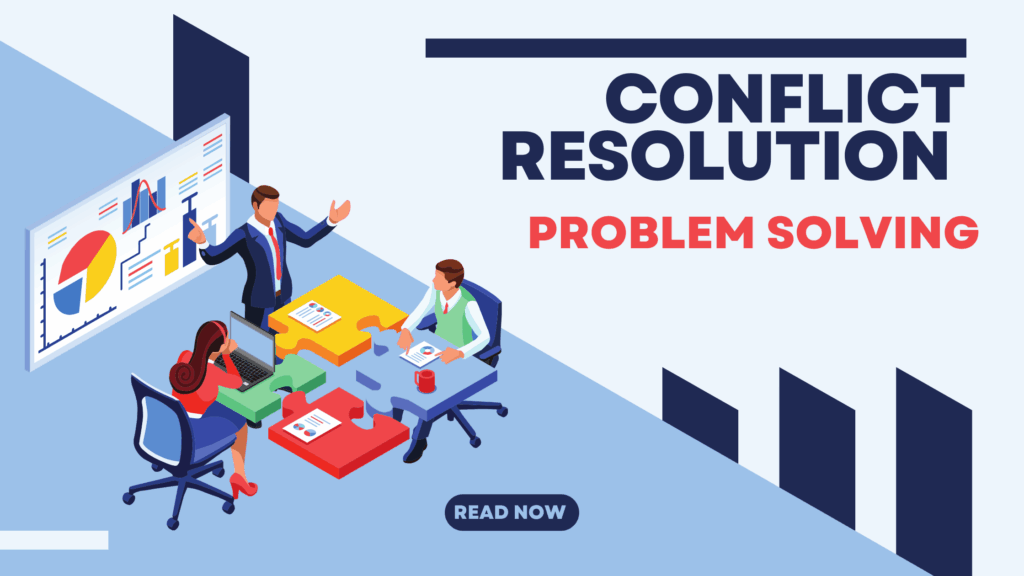
Conflict Resolution and Problem-Solving
Wherever people work together, conflicts and disagreements will arise. How you handle them as a leader determines the team’s health.
What great leaders do:
- Address conflicts early—don’t ignore them.
- Stay neutral and listen to all sides.
- Focus on the issue, not the individual.
- Guide the team towards a win-win solution.
Why it matters:
Unresolved conflicts create toxic work environments, lower productivity, and increase attrition.
Quick Tip:
When resolving a conflict, focus on asking: “What’s the best solution for the team and the organization?” instead of “Who’s right or wrong?”
Example:
Leaders in high-pressure industries like media, IT, and healthcare often spend significant time facilitating dialogue and mediating between teams to resolve differences.
Bonus Skill: Leading by Example
Apart from these 7 skills, there’s one golden rule of leadership: Walk the talk.
You can’t expect punctuality, accountability, or dedication from your team if you don’t demonstrate them yourself.
Leadership is not a title. It’s a behavior.
When you show up with integrity, dedication, and consistency—your team naturally follows suit.
Final Thoughts: Start Practicing Leadership Today
Leadership is not something you’re born with. It’s something you build—day by day, conversation by conversation, decision by decision.
Whether you’re leading a small project team or running an entire organization, these 7 skills are your toolkit for becoming a highly effective leader:
✅ Communicate with clarity and empathy
✅ Build emotional intelligence
✅ Make confident decisions
✅ Stay adaptable in times of change
✅ Inspire with a strong vision
✅ Empower others through delegation
✅ Resolve conflicts with fairness
And above all—lead by example.
Call to Action:
If you’re serious about improving your leadership communication skills, start by working on just one of these areas this week. Small consistent actions will build big leadership impact over time.
👉 Which of these 7 skills do you want to improve first?
Tell me in the comments below!
🌟 Exciting News! 🌟
My new book “The Confident Communicator” is finally here! 🎉
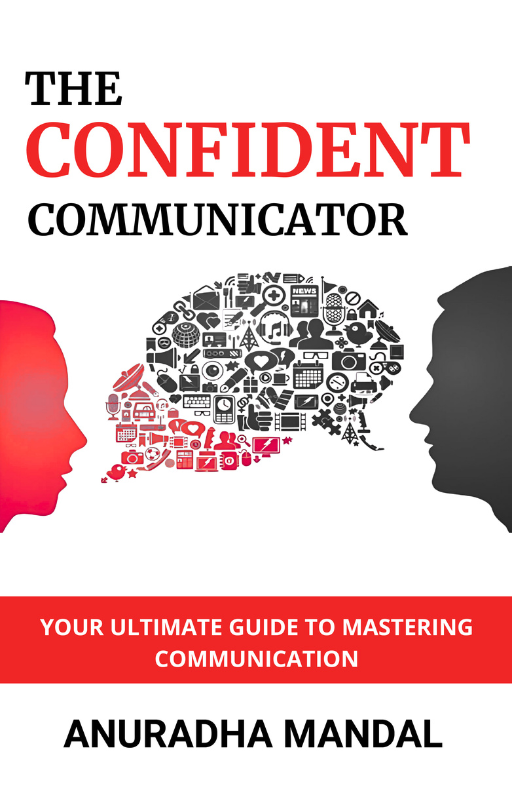
If you’ve ever felt nervous speaking up, struggled to express your ideas, or wanted to make a stronger impact… this book is for YOU!
It’s packed with simple, actionable tips to help you:
✅ Speak with confidence
✅ Overcome fear of speaking
✅ Make an impact in any room
👉 Grab your copy now on Amazon: https://www.amazon.in/dp/9334318821
Let’s unlock your communication potential and help you own every conversation! 🚀
7 Skills of a Highly Effective Leader: Unlock Your True Leadership Potential Read More »