Book Publishing

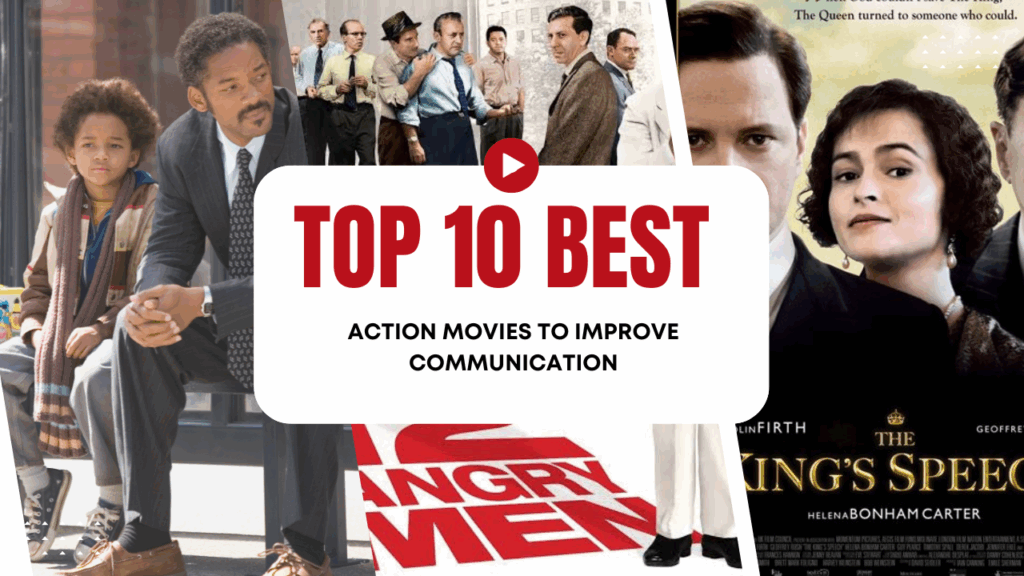
Top 10 Hollywood Movies

Top 10 Hollywood Movies That Teach You Powerful Communication Skills

If you think movies are just for entertainment… think again!

Some of the best communication lessons aren’t found in textbooks…

They’re found in scripts, dialogues, and character arcs!

So today, I’m sharing 10 Hollywood movies that can seriously upgrade your communication skills.

Let’s get rolling! 🎥🍿
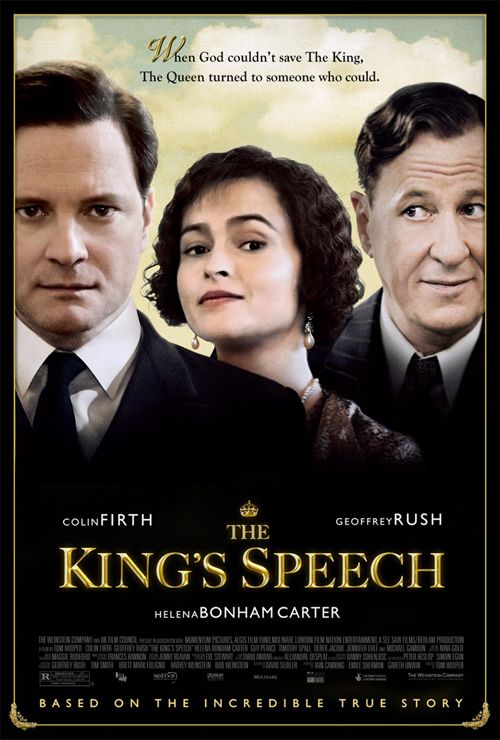
Hollywood movie
Hollywood movie

🎬 Movie 1: The King’s Speech (2010)

Director: Tom Hooper
Character: King George VI, played by Colin Firth

Why this movie?
It’s the ultimate story of overcoming a speech impediment and learning to speak with confidence under pressure.

What lesson you’ll learn:
Overcoming fear of public speaking and embracing vulnerability.

What strategy you’ll learn:
Breathing techniques, speech pacing, and mindset shift.

Age group:
13 and above.

How to use it:
Before your next presentation or speech, try deep breathing and slow pacing like in the movie.

3 Key Takeaways:

  1. Fear is normal; practice reduces it.
  2. Focus on your message, not your flaws.
  3. The right mentor makes all the difference.
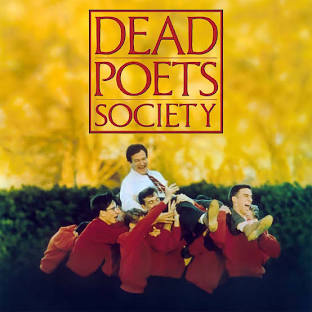
Dead Poets Society
Dead Poets Society

🎬 Movie 2: Dead Poets Society (1989)

Director: Peter Weir
Character: John Keating, played by Robin Williams

Why this movie?
Teaches how to inspire others through passionate, emotional communication.

What lesson you’ll learn:
Storytelling and emotional connection when speaking to a group.

What strategy you’ll learn:
Using voice modulation, pauses, and inspirational language.

Age group:
16 and above.

How to use it:
Next time you give a speech or presentation, use emotional triggers and inspirational phrases.

3 Key Takeaways:

  1. Speak with passion.
  2. Challenge the status quo.
  3. Use pauses for dramatic effect.
The Pursuit of Happyness

🎬 Movie 3: The Pursuit of Happyness (2006)

Director: Gabriele Muccino
Character: Chris Gardner, played by Will Smith

Why this movie?
Demonstrates resilience and persuasive communication during interviews and sales pitches.

What lesson you’ll learn:
How to sell yourself and your ideas.

What strategy you’ll learn:
Emotional storytelling and authentic persuasion.

Age group:
14 and above.

How to use it:
Before interviews or sales calls, build your story. Make it authentic and personal.

3 Key Takeaways:

  1. Believe in your value.
  2. Be persistent with your message.
  3. Emotion connects faster than logic.
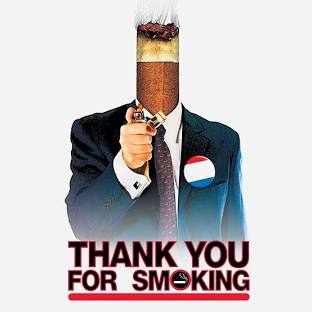
Thank You for Smoking

🎬 Movie 4: Thank You for Smoking (2005)

Director: Jason Reitman
Character: Nick Naylor, played by Aaron Eckhart

Why this movie?
It’s a masterclass on persuasion, debate, and argumentation (for better or worse!).

What lesson you’ll learn:
How to construct strong arguments and control conversations.

What strategy you’ll learn:
Framing, reframing, and rhetorical questioning.

Age group:
18 and above (because of its mature themes).

How to use it:
In debates or difficult conversations, focus on framing your argument smartly.

3 Key Takeaways:

  1. Arguments are won by framing, not facts alone.
  2. Listen to find loopholes.
  3. Confidence sells your point.
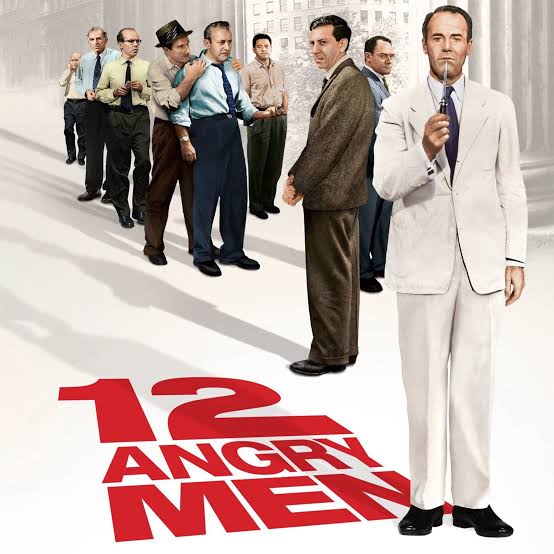
12 Angry Men
12 Angry Men

🎬 Movie 5: 12 Angry Men (1957)

Director: Sidney Lumet
Character: Juror #8, played by Henry Fonda

Why this movie?
Teaches critical thinking and how to influence group decision-making.

What lesson you’ll learn:
How to use logical reasoning and stay calm under pressure.

What strategy you’ll learn:
The power of asking the right questions and active listening.

Age group:
16 and above.

How to use it:
In team meetings or group discussions, ask questions that make people think deeper.

3 Key Takeaways:

  1. Stay calm and logical.
  2. Ask questions that shift perspectives.
  3. Stand firm on your convictions.
Moneyball
Moneyball

🎬 Movie 6: Moneyball (2011)

Director: Bennett Miller
Character: Billy Beane, played by Brad Pitt

Why this movie?
Teaches data-driven communication and selling new ideas to skeptical audiences.

What lesson you’ll learn:
How to communicate change and back it with logic and numbers.

What strategy you’ll learn:
Storytelling with data and strategic persuasion.

Age group:
17 and above.

How to use it:
In business presentations, lead with data but tell it like a story.

3 Key Takeaways:

  1. People resist change; communicate with clarity.
  2. Use data plus emotion.
  3. Be ready to handle objections.
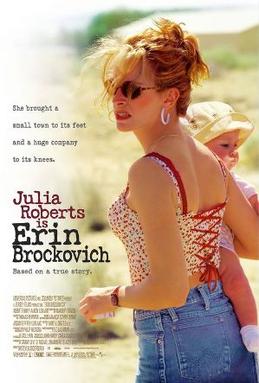
Erin Brockovich
Erin Brockovich

🎬 Movie 7: Erin Brockovich (2000)

Director: Steven Soderbergh
Character: Erin Brockovich, played by Julia Roberts

Why this movie?
Shows how ordinary people can communicate powerfully for a cause.

What lesson you’ll learn:
Assertiveness and empathy in communication.

What strategy you’ll learn:
Being fearless in your conversations while showing care for others.

Age group:
17 and above.

How to use it:
When you need to advocate for something, stay persistent and back your words with facts.

3 Key Takeaways:

  1. Don’t let status silence your voice.
  2. Know your facts before speaking.
  3. Persistence wins.
A Few Good Men
A Few Good Men

🎬 Movie 8: A Few Good Men (1992)

Director: Rob Reiner
Character: Lt. Daniel Kaffee, played by Tom Cruise

Why this movie?
Famous for courtroom drama and mastering the art of questioning and cross-examination.

What lesson you’ll learn:
The art of controlled, high-pressure communication.

What strategy you’ll learn:
Cross-questioning and strategic pauses.

Age group:
18 and above.

How to use it:
When in negotiation or debate, control the pace, and ask smart, targeted questions.

3 Key Takeaways:

  1. Listen for contradictions.
  2. Maintain eye contact for dominance.
  3. Let the silence do the work.
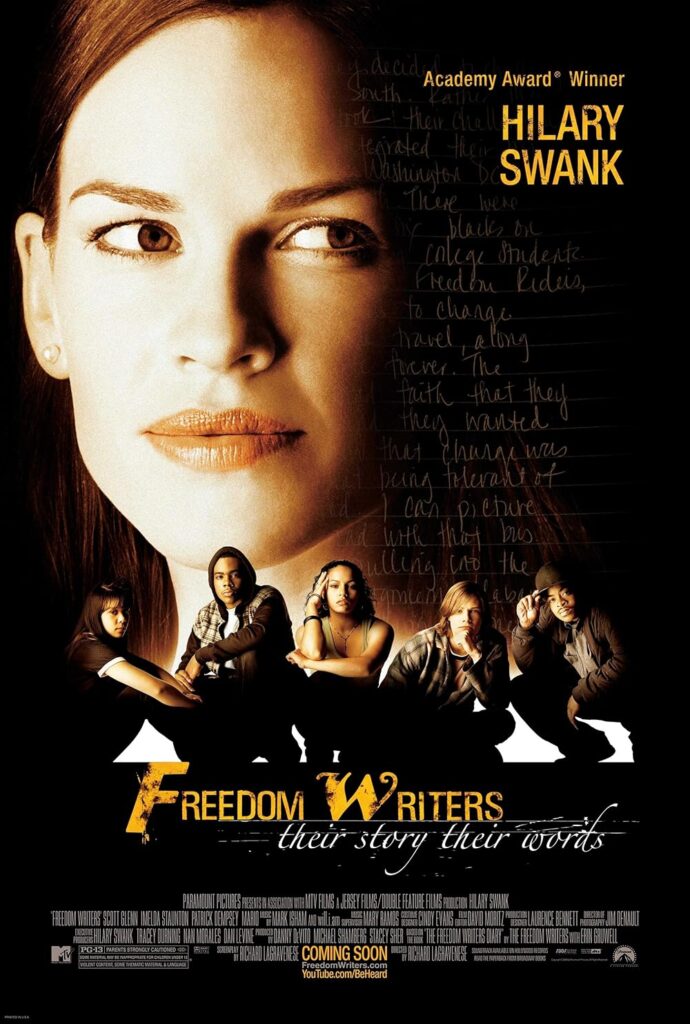
Freedom Writers
Freedom Writers

🎬 Movie 9: Freedom Writers (2007)

Director: Richard LaGravenese
Character: Erin Gruwell, played by Hilary Swank

Why this movie?
A beautiful lesson on empathetic listening and transformational teaching.

What lesson you’ll learn:
Building trust and connection through empathetic communication.

What strategy you’ll learn:
Active listening and storytelling to inspire.

Age group:
15 and above.

How to use it:
If you’re a teacher, trainer, or leader, use storytelling to build trust with your audience.

3 Key Takeaways:

  1. Everyone has a story.
  2. Listen first, then speak.
  3. Empathy builds bridges.
The Social Network
The Social Network

🎬 Movie 10: The Social Network (2010)

Director: David Fincher
Character: Mark Zuckerberg, played by Jesse Eisenberg

Why this movie?
It shows how poor communication, ego, and lack of emotional intelligence can damage relationships.

What lesson you’ll learn:
The importance of emotional intelligence in business communication.

What strategy you’ll learn:
Balancing assertiveness with emotional control.

Age group:
18 and above.

How to use it:
Before reacting emotionally at work, pause and consider the long-term relationship impact.

3 Key Takeaways:

  1. Success isn’t just about ideas; it’s about relationships.
  2. Emotional intelligence matters in leadership.
  3. Communication affects your personal brand.

And there you have it! 🎉

10 Hollywood movies… Each packed with powerful communication lessons.

👉 Which movie from this list have you already seen?
👉 Which one will you watch next with your “communication coach” mindset on?

Tell me in the comments below 👇

🌟 Exciting News! 🌟
My new book “The Confident Communicator” is finally here! 🎉

If you’ve ever felt nervous speaking up, struggled to express your ideas, or wanted to make a stronger impact… this book is for YOU!

It’s packed with simple, actionable tips to help you:
✅ Speak with confidence
✅ Overcome fear of speaking
✅ Make an impact in any room

👉 Grab your copy now on Amazon: https://www.amazon.in/dp/9334318821

Let’s unlock your communication potential and help you own every conversation!
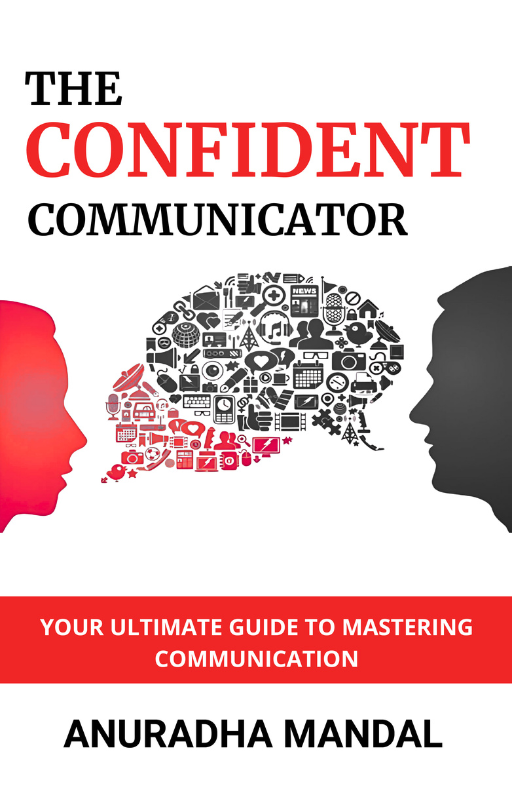
The Confident Communicator : Your Ultimate Guide To Mastering Communication
The Confident Communicator

Top 10 Hollywood Movies That Teach You Powerful Communication Skills Read More »
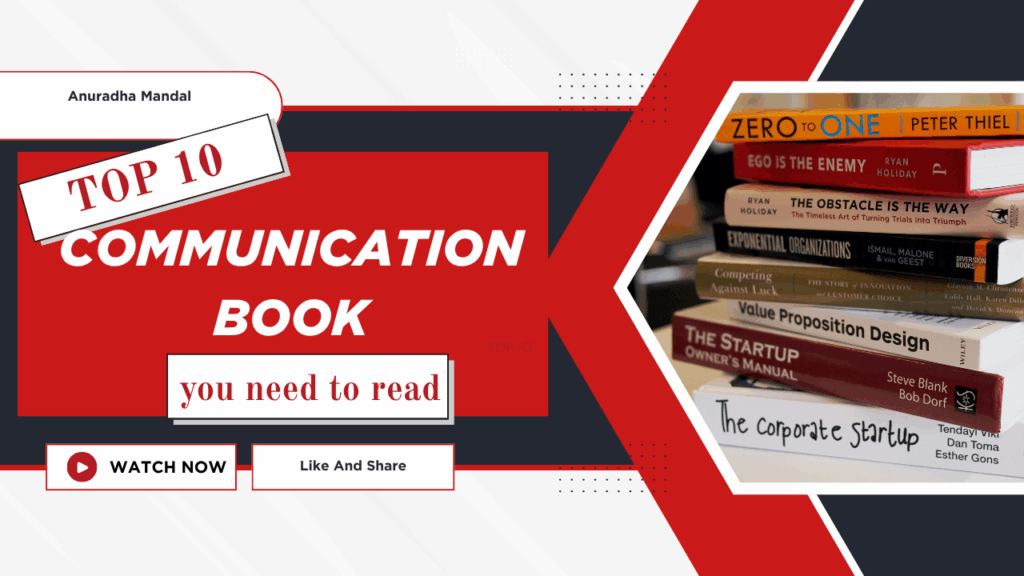
Top 10 Books To Improve Communication

Top 10 Books to Improve Communication Skills : International Author

If you’ve ever found yourself thinking…

“How do I speak more confidently?”

“How do I write and present better?”

Or… “How do I make people really listen to me?”

Then this article is for you.

I’m sharing 10 must-read books that can literally transform how you speak, write, listen, and connect with people — both at work and in life.

So grab a notebook, because I’m not just giving you book names… I’ll also tell you:

âś… Why you should read it
✅ What communication skill you’ll build
âś… The best age group for the book
âś… How to actually use it (not just buy and keep it!)
âś… Plus… 3 key takeaways from each book

Let’s dive in!

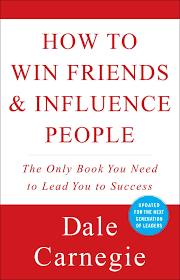
📚 Book 1: “How to Win Friends and Influence People” by Dale Carnegie

Why this book?
It’s the ultimate classic! Written in 1936 but still insanely relevant.

What you’ll learn:
Building rapport, making people like you, persuasion, and relationship-building.

Strategy focus:
Empathy + active listening + appreciation = Influence

Best for:
Age 15 and above. Perfect for students, young professionals, and leaders.

How to use it:
Pick one principle a week and practice it with real people.

3 Key Takeaways:

  1. People love hearing their own name – use it!
  2. Be genuinely interested in others.
  3. Win arguments by avoiding them.
How to Win Friends and Influence People

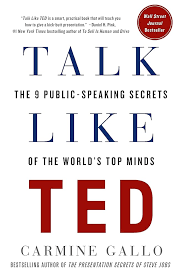
📚 Book 2: “Talk Like TED” by Carmine Gallo

Why this book?
It breaks down what makes TED speakers memorable and engaging.

What you’ll learn:
Storytelling, engaging public speaking, and simplifying complex ideas.

Strategy focus:
Use stories, emotion, and visuals to engage audiences.

Best for:
Age 16 and above. Especially for students, teachers, trainers, and speakers.

How to use it:
Record yourself giving a short speech. Apply one TED tactic each time.

3 Key Takeaways:

  1. Tell stories, not just facts.
  2. Be passionate about your topic.
  3. Keep it simple and visual.
"Talk Like TED"
“Talk Like TED”

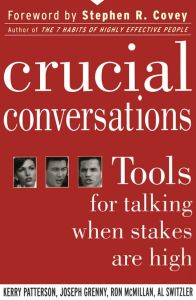
📚 Book 3: “Crucial Conversations” by Kerry Patterson, Joseph Grenny, et al.

Why this book?
Learn how to handle high-stakes conversations without stress.

What you’ll learn:
Managing conflict, giving feedback, and handling tough discussions.

Strategy focus:
Stay calm, be clear, and focus on facts over emotions.

Best for:
Age 18 and above. Great for managers, team leaders, and even couples!

How to use it:
Next time you’re in a tough conversation, pause and apply the “STATE” method (you’ll learn it in the book!).

3 Key Takeaways:

  1. Share facts first, not emotions.
  2. Create a safe space for dialogue.
  3. Work toward a shared goal.
"Crucial Conversations"
“Crucial Conversations”

📚 Book 4: “The Quick and Easy Way to Effective Speaking” by Dale Carnegie

Why this book?
It’s a simple, practical guide for overcoming fear of public speaking.

What you’ll learn:
How to speak confidently in front of any audience.

Strategy focus:
Practice-driven speaking + audience connection.

Best for:
Age 14 and above. Perfect for students preparing for speeches or presentations.

How to use it:
Start with small group talks and apply Carnegie’s step-by-step methods.

3 Key Takeaways:

  1. Speak about topics you know and care about.
  2. Practice out loud – not just in your head.
  3. Picture yourself succeeding.
"The Quick and Easy Way to Effective Speaking"
“The Quick and Easy Way to Effective Speaking”

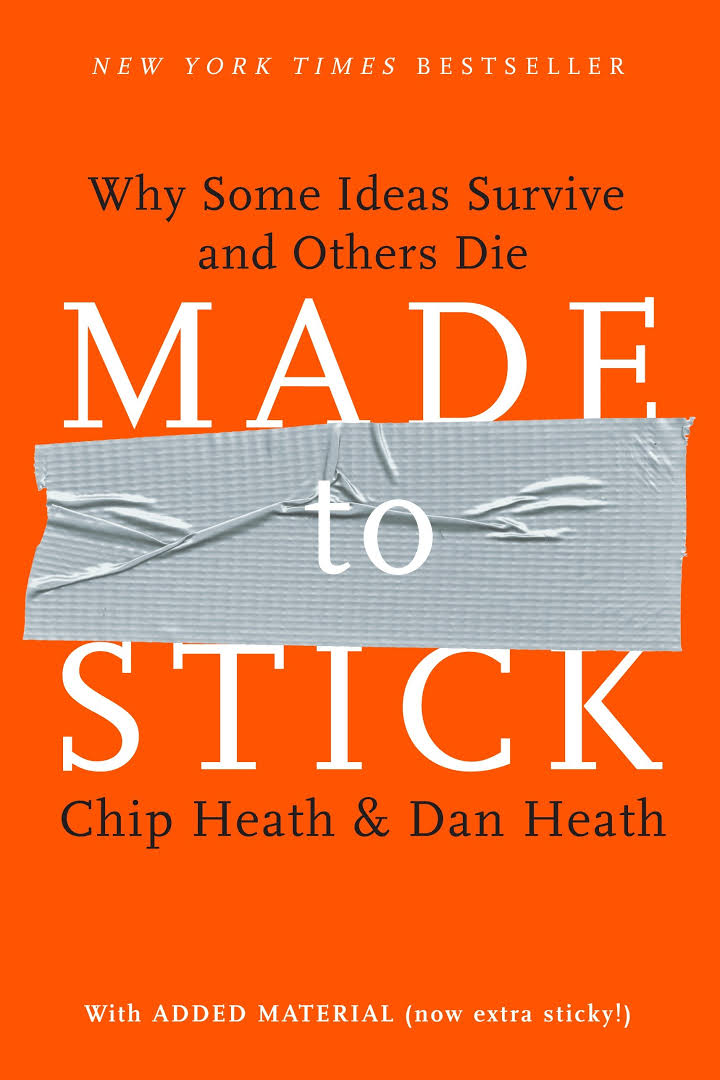
📚 Book 5: “Made to Stick” by Chip Heath and Dan Heath

Why this book?
Teaches you how to make your messages stick in people’s minds.

What you’ll learn:
How to make your communication clear, memorable, and impactful.

Strategy focus:
The SUCCESs framework (Simple, Unexpected, Concrete, Credible, Emotional, Stories).

Best for:
Age 17 and above. Marketers, teachers, speakers, and anyone who communicates ideas.

How to use it:
Before sending an email or making a presentation, check: Is this SUCCESsful?

3 Key Takeaways:

  1. Simplicity wins.
  2. Use unexpected elements to grab attention.
  3. Tell concrete stories.
"Made to Stick"
“Made to Stick”

📚 Book 6: “Everyone Communicates, Few Connect” by John C. Maxwell

Why this book?
Communication isn’t just about talking—it’s about connecting.

What you’ll learn:
Building connection with audiences, teams, and even one-on-one.

Strategy focus:
Focus on others, not yourself.

Best for:
Age 18 and above. Great for leaders, trainers, teachers, and mentors.

How to use it:
Before any conversation, ask: “Am I trying to impress… or connect?”

3 Key Takeaways:

  1. People don’t care how much you know until they know how much you care.
  2. Communicators take responsibility for connection.
  3. Be relatable, not perfect.
"Everyone Communicates, Few Connect"
“Everyone Communicates, Few Connect”

📚 Book 7: “On Speaking Well” by Peggy Noonan

Why this book?
Written by a former presidential speechwriter—this book is gold for anyone who wants to sound smart but natural.

What you’ll learn:
Writing and delivering speeches that sound authentic and engaging.

Strategy focus:
Clarity + Simplicity + Rhythm of speech

Best for:
Age 18 and above. Students, speechwriters, politicians, business professionals.

How to use it:
Draft your next speech or presentation using her simple language and style tips.

3 Key Takeaways:

  1. Write the way people speak.
  2. Aim for short sentences with punch.
  3. Pause for effect.
"On Speaking Well"
“On Speaking Well”

📚 Book 8: “Thank You for Arguing” by Jay Heinrichs

Why this book?
It’s a fun guide to the art of persuasion and argument.

What you’ll learn:
Rhetoric, debate, and influencing people without fights.

Strategy focus:
Using logic, emotion, and credibility (Ethos, Pathos, Logos).

Best for:
Age 16 and above. Perfect for debaters, salespeople, and anyone who negotiates.

How to use it:
Next time you’re debating something (at work or even at dinner), use a rhetorical technique from the book.

3 Key Takeaways:

  1. Control the mood of the conversation.
  2. Focus on the future tense for problem-solving.
  3. Make your opponent feel like your idea was theirs.
"Thank You for Arguing"
“Thank You for Arguing”

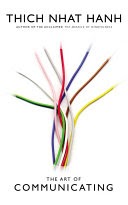
📚 Book 9: “The Art of Communicating” by Thich Nhat Hanh

Why this book?
Because communication isn’t just external—it starts with mindful listening and speaking.

What you’ll learn:
Mindful communication, deep listening, and compassionate dialogue.

Strategy focus:
Be present. Listen deeply before responding.

Best for:
Age 18 and above. Especially good for counselors, teachers, and anyone looking for peace in communication.

How to use it:
Before responding to anyone, pause… breathe… listen mindfully.

3 Key Takeaways:

  1. Listen to understand, not to reply.
  2. Words can heal or hurt—choose mindfully.
  3. Presence is your biggest communication tool.
"The Art of Communicating"
“The Art of Communicating”

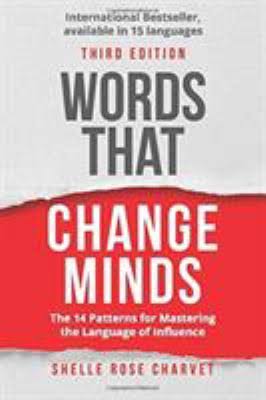
📚 Book 10: “Words That Change Minds” by Shelle Rose Charvet

Why this book?
It introduces the LAB Profile – a psychological tool to adapt your language to motivate and influence people.

What you’ll learn:
How different people process language, and how to tailor your communication style.

Strategy focus:
Customizing your language patterns for different personality types.

Best for:
Age 20 and above. Coaches, leaders, HR professionals, and salespeople.

How to use it:
Identify people’s motivation patterns during conversations and adjust your language accordingly.

3 Key Takeaways:

  1. People have different motivational triggers.
  2. Ask better questions to decode people’s communication styles.
  3. Adapt your language to suit your listener.
"Words That Change Minds"
“Words That Change Minds”

So there you have it! 🎉

Call to Action:


10 powerful books that can literally change the way you communicate… forever.

👉 Tell me in the comments: Which book are you picking first?
👉 Or… drop your favorite communication book that I missed!

🌟 Exciting News! 🌟
My new book “The Confident Communicator” is finally here! 🎉

If you’ve ever felt nervous speaking up, struggled to express your ideas, or wanted to make a stronger impact… this book is for YOU!

It’s packed with simple, actionable tips to help you:
✅ Speak with confidence
✅ Overcome fear of speaking
✅ Make an impact in any room

👉 Grab your copy now on Amazon: https://www.amazon.in/dp/9334318821

The Confident Communicator : Your Ultimate Guide To Mastering Communication
The Confident Communicator

Top 10 Books to Improve Communication Skills : International Author Read More »

How to become Author

How to become an Author : A Simple Guide To Writing Journey

Everyone is not a book lover but you must have read some of the fiction, non-fiction books, and novels.


I belong to this category.


I have read a few books written by some of the best authors but never thought of becoming an author.


But, there was a paradigm shift in my mind, when I read a very interesting book written by one of my childhood friends. 


She was never a very good writer, nor did she aspire to become an author. 


I had this curiosity to know how she could achieve this milestone.


And her writing story motivated me to write, and my love for my writing kept increasing as days passed. 


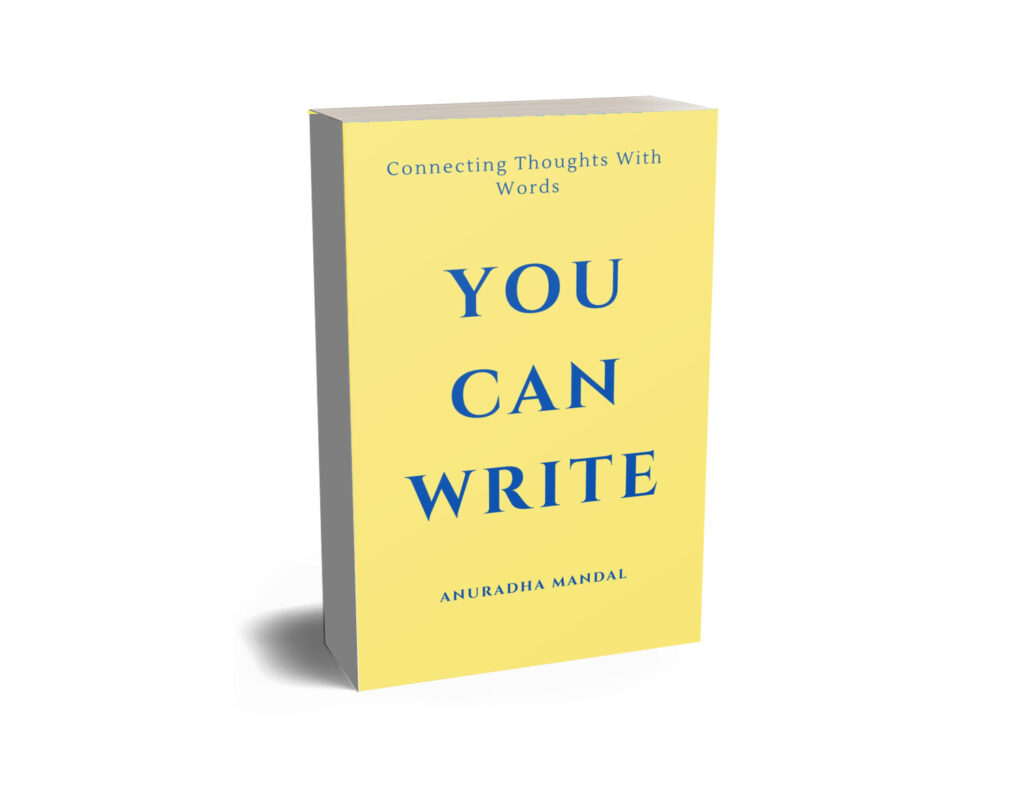
Now I have decided to write my own book. The name of my first upcoming book is “ You Can Write” with the subtitle of Connecting  Thoughts With Words. 


This book will be mainly for those who want to write and excel in this domain. As the world has gone digital, this resource will cover the aspects of content writing, content marketing, etc.


In a way, it will guide you on how to become an Author.

You Can Write
Book Cover- You Can Write


Many of you out there have tonnes of questions, and I will answer all those as you continue reading.


I am writing this article “How to become an author: A simple guide to writing journey” to help you to take a kick start.


Who is an Author?


According to Wikipedia: An author is a person who writes books, stories, poems, or other written work. Sometimes, a person who creates something that is not prose is called an author. Someone who writes music may be called the author of that piece of music, though we would usually call that person a composer.


So now the question is how to become an Author. Before diving deep into how to start your writing journey, publish, launch and become an author.


You don’t need any qualifications to become an author. There are no eligibility criteria to start a book writing. Anyone can start writing a book to become an author. Let me clarify some of the myths which are fully housed in our brain.


The Myth About Becoming Author


Myth 1:

You need to be an expert in writing.


Fact 1: 

You don’t have to be an expert in writing. You need the experience. You can become an expert by positioning yourself through your writing.


Myth 2:

Need a lot of time to write a book.


Fact 2:

You do not need lots of time to write one. You just have to give 20-30 minutes per day. A book with 100-150 pages is fine to get published.


Myth 3:


You have to be qualified with great skills to become an author

Fact 3:


You just need your ideas and experience to write. There are ample tools to help you with grammar, spellings, etc.


Myth 4:


I am not famous, why will anyone read my book?


Fact 4:


Your book is your marketing tool. You don’t write books when you are famous. You write a book to become famous.


Myth 5:


Publishing a book is very expensive.

Fact 5:


It will not be so costly. Publishing and marketing your book will be very much in your capacity. Self-publishing is very easy in today’s age, plus there are various other services to support you with this.


Myth 6:


Book writing will make a lot of money

Fact 6:


You will not make money by selling books. Your book will change the perception of how people will see you. Your book will build a brand around you, and then income will start flowing.


Benefits An Author Can Give You.


Book Writing


There are numerous benefits of publishing a book. The list is mentioned below :


  • Personal Branding
  • Authority
  • Become a speaker
  • Get better job
  • Influence others
  • Impact others
  • Panel discussions
  • Radio, TV, Podcast interview.
  • Write newspaper column
  • Tell your story
  • Taken seriously
  • Multiple income sources.


I have started writing my book and I am enjoying every bit of it.


One thing which is very important to keep in mind while writing is, what type of book you are going to write. 


Always keep in mind Context is very very important than content.


From the outcome perspective, there are mainly three types of books.


Credibility 


This will increase and create your visibility. It will also improve your positioning and build your authority and brand perception.


Connections


This will work like a lead magnet, which will open the doors for many opportunities. It will create relationships and business networking.


Content


This requires some extensive research and deep insights. A content-based book is favorable for someone who is already a brand and this piece will bring more fame  


I am writing a book, which falls in the category of connections. The following aspects are very important in book writing.


Your Primary Objective: What is the objective and what will your book do?


Your Expertise: This will mainly highlight the key elements of my skills, talent, experience, knowledge, and quality.


Your Target Market: Who is your audience or reader?


Needs & Problems: What is the kind of need of your readers and what kind of solutions are you providing to their problems?


The Planning process of Your Content


This is the most crucial step in the whole process. It can become very challenging to write the content of the book. Follow the simple steps to accomplish the journey. 


I am following the same steps for my book “ You Can Write”. And these steps remain the same for the writer.


  1. Topic Dump: First and foremost do not think a lot about organizing the topic at this stage. Just do a topic dump with as many as possible around the content of your book.
  2. Organize: The second step is to select 15 topics and organize them into broad topics. These will be the 15 chapters of your book.
  3. Sub-topics: Under each topic, come up with 10-15 sub-topics for each chapter. The number can be more or less depending upon the breadth and depth of the topic.
  4. Questions: Come up with 4-5 questions for each sub-topics. You can get the questions from different websites like Quora, Google Q&A, and other related forums. Put all the questions on the sheet.


Now that you are ready with a list of questions, start writing to answer those questions. 


For example, one of the chapters in my book would be content writing. The sub-topic could be keyword research. One of the questions in the sub-topic could be: Which is the best tool for keyword research and why?


Make sure you write around 150-200 words for each of these questions with your knowledge and experience. You can do a lot of research while answering the questions.


This is the best way to start to write a book. These simple systems will start giving shape to your book and you can finish the process within the time frame.


Book Author

Publishing Process:


The publishing process starts with the designing of your book cover. Book cover designing is very important and the following elements can be kept in mind while doing so.


  • Book Title
  • Book Subtitle
  • Book Cover
  • Book Endorsements
  • Book Back Cover


The book is mostly judged by its cover, so the ingredients of the cover are very cardinal. This can be done by keeping the following in mind


  1. Eye-catchy graphics and design 
  • Use humor, or ask a question or promise
  • Author picture (Not mandatory)
  • Appropriate reader colors
  • Endorsements from the influencer or famous personality.


  1. Layout,  Editing, Formatting & Proofread


You need to finalize the dimension of the book. I have decided and finalized that I will come up with a book with 5 x 8 inches (Width x Height).


This is the most common and widely used dimension offered by different print-on-demand publications.


If you are using lots of images, graphs, charts, tables, etc editing, and formatting will be needed. This can either be done by you or you can get it done by some experts.


Proofread is the last part of this section, which is of paramount importance. There are many freelancers providing their services in this proofreading. You can get this done by them or anyone else.


  1. ISBN Number & Barcode 


ISBN (International Standard Book Number) is very important for publishing a book. The International Standard Book Number is a unique numeric commercial book identifier.


An ISBN helps in identifying the title, edition, and format of products used by publishers, bookstores, libraries, etc. This is also important for inventory control, ordering, and sales reporting.


This unique number increases the chances of your book getting found. A Barcode is not the same as ISBN. The barcode is the graphical and visual representation used during the inventory or sales transaction process.


The barcode is found at the back of the book and is derived from an ISBN. You need ISBN and pricing information to get the barcode.


  1. Printing of Book


There are many printing services available that will print your book on-demand. The most common and standard size for printing is 5 x 8 inches.


There are two options, you can print with a paperback edition or a hardbound edition. Hardbound is more costly compared to paperback. 

Names of Self-publishing Houses


There are no specific submission guidelines. Mostly these houses encourage direct talks and therefore can be reached quite easily.


Find the names of some of the self-publishing houses in India


  • Notion Press:
  • Quignog Publishers.
  • Evincepub Publishing.
  • Blue Hill Publishing.
  • Bluerose Publishers.
  • Buuks.
  • 24by7 Publishers.
  • Pothi.


Names of Some of the International Self-publishing Houses.


  • Kindle Direct Publishing.
  • Barnes & Noble Press.
  • Kobo.
  • Apple Books.
  • Self-Publishing School.
  • Reedsy.
  • Lulu.
  • IngramSpark.


Marketing Your Book


Your book is your marketing material and tools and you have to market it on your own if you do not have funds.


Make the strategies and the plan to excel in this process. 


Listed below are some of the ways where you can start the marketing campaign :


  • Social Media Marketing
  • Blogging
  • Email Marketing
  • Guest Post 
  • Join the groups in various platform
  • Podcast and Podiobooks
  • Reviews 
  • Paid Ads


Conclusion


I think you have got some good ideas about book writing, what type of book to write, how to write and how to publish and market it.


A book project is a big achievement in itself. This requires ample physical, emotional, and mental congruence.


Discipline, dedication, and consistency play a vital role in this journey. 


I am writing every day for my book “You Can Write” and will very soon announce my book launch.


I have shared all the information that you would need to start the journey. You just have to come out of your comfort zone to see a miracle happen.


If this article has inspired you to write a book and you publish it, please share your takeaways in the comments sections below.


How to become an Author : A Simple Guide To Writing Journey Read More »