soft skills. communication

Power Of Communication

The Power of Communication: Why Communication and Skill Development Matter More Than Ever

In today’s fast-evolving world, one skill stands out as the foundation for personal growth, career success, and meaningful relationships: communication.

Whether you are a student preparing for your first job, a professional looking to climb the corporate ladder, an entrepreneur trying to pitch your idea, or even a parent wanting to build a stronger connection with your child—communication skills are non-negotiable.

Yet, communication is often misunderstood and undervalued.

This blog post will help you understand:

✅ The importance of communication
✅ Why communication skill development is crucial
✅ The broader importance of skill development in your personal and professional life
✅ Practical ways to start improving today
Importance Of Communication

Part 1: The Importance of Communication

Let’s start with a simple question: What happens when communication fails?

  • Projects stall
  • Relationships break
  • Teams lose direction
  • Opportunities slip away

Now flip the scenario: What happens when communication works well?

  • Ideas flow
  • Relationships strengthen
  • Teams collaborate smoothly
  • You influence and inspire people

In short, good communication builds bridges; poor communication builds walls.

Why is Communication Important in Today’s World?

  1. Communication is the Key to Professional Success

No matter how skilled or knowledgeable you are, if you can’t express your ideas clearly—you’ll struggle to grow professionally.

Examples:

  • Job interviews demand clarity and confidence.
  • Meetings require concise and persuasive speech.
  • Leadership roles need motivation and influence.

Employers today often say: “We hire for attitude and communication; we train for technical skills.”

  1. Communication Builds Strong Relationships

Whether at home, with friends, or at work, communication helps you:

  • Express feelings
  • Solve conflicts
  • Understand others better
  • Build trust
  1. Communication Enhances Personal Confidence

Do you hesitate to speak in meetings?
Do you struggle to say “no” or express your opinions?

Strong communication skills give you the courage to speak up, express yourself, and be heard.

Part 2: Why Communication Skill Development is Crucial

Nobody is born a great communicator.

It’s a skill. And like any other skill, it can be learned, practiced, and improved.

Here’s why you must actively work on communication skill development:

  1. The World is Becoming More Competitive

Every year, millions of students graduate.

Thousands apply for the same job.

Hundreds compete for the same promotion.

What will set you apart?

Your ability to communicate your value.

Imagine this:

Two candidates with similar qualifications appear for an interview.
One speaks confidently, answers questions with clarity, and builds rapport with the interviewer.
The other fumbles, hesitates, and struggles to explain even simple things.

Who do you think gets the job?
Exactly.

  1. The Digital World Demands Better Communication

We’re sending emails, participating in Zoom calls, creating LinkedIn posts, and shooting video messages.

The digital world demands:

  • Clear written communication
  • Effective verbal communication
  • Strong non-verbal cues on camera

Even in a text or WhatsApp message—tone, clarity, and choice of words matter.

  1. It Helps You Influence and Lead

If you want to become a team leader, manager, or entrepreneur, communication is your superpower.

Great leaders don’t just give instructions—they inspire.

Whether it’s Steve Jobs launching an iPhone, or Dr. APJ Abdul Kalam addressing students, their ability to communicate vision and passion made people listen and act.

  1. It Reduces Stress and Conflict

Many office conflicts, relationship issues, and misunderstandings happen because of poor communication.

By improving your communication skills, you can:

  • Handle feedback better
  • Resolve conflicts calmly
  • Express disagreement without offending
  • Build stronger, positive relationships
    Skill Development
    Skill Development

Part 3: The Importance of Overall Skill Development

Let’s zoom out a little.

While communication is critical, skill development in general is the secret sauce for long-term success.

What is

It’s the process of learning, improving, and mastering abilities that help you perform better in your personal and professional life.

Types of skills include:

  • Soft skills: Communication, leadership, teamwork, emotional intelligence.
  • Hard skills: Technical knowledge like coding, designing, data analysis.
  • Life skills: Time management, decision-making, adaptability.

Why is Skill Development Important Today?

  1. The Job Market is Changing Rapidly

AI, automation, and new technologies are changing the way we work.

The World Economic Forum reports:
By 2025, 50% of all employees will need reskilling.

Learning new skills and updating existing ones isn’t optional anymore. It’s survival.

  1. It Increases Your Employability and Career Growth

Skill development makes you more valuable.

Employers love candidates who:

  • Learn fast
  • Adapt quickly
  • Take initiative to upskill

Your combination of technical knowledge + communication + leadership = career acceleration.

  1. It Boosts Your Confidence and Self-Worth

Learning new skills gives you a sense of achievement.

The more you know, the more confident you become in taking up new challenges.

  1. It Opens Doors to New Opportunities

Want to switch careers? Start a side hustle? Launch your own business?
You’ll need skills.

From digital marketing to content writing, from public speaking to coding—every new opportunity comes with its own required skill set.

Part 4: How to Develop Communication and Other Essential Skills

The good news?

Skill development is 100% in your control.

Here’s a practical action plan:

  1. Self-Awareness: Start by Assessing Yourself

Ask yourself:

  • What are my communication strengths and weaknesses?
  • What skills does my industry demand today?
  • What soft skills do I need to develop?

You can even take online assessments or ask colleagues and mentors for feedback.

  1. Set Clear Learning Goals

Vague goal: “I want to improve my communication.”
Better goal: “I want to improve my presentation skills in the next 2 months.”

Be specific.

  1. Practice Communication Daily
  • Participate in meetings
  • Volunteer for presentations
  • Write LinkedIn posts
  • Join Toastmasters or a public speaking club
  • Practice storytelling
  • Record yourself speaking and watch it

Small daily actions create big results over time.

  1. Learn from Resources
  • Books: How to Win Friends and Influence People by Dale Carnegie
  • Podcasts: The Art of Communication, The Communication Guys
  • Online courses: Platforms like Coursera, Udemy, LinkedIn Learning
  • YouTube: There are countless free tutorials on communication tips
  1. Seek Feedback and Reflect

Ask your manager, friends, or mentor:

  • “How was my presentation?”
  • “Was I clear in my email?”
  • “How can I improve my speaking skills?”

Reflect on their feedback and keep refining.

  1. Learn Other Key Skills

Apart from communication, here are some high-impact skills worth developing:

  • Emotional Intelligence
  • Critical Thinking
  • Leadership
  • Time Management
  • Negotiation
  • Problem-Solving

Start with one skill at a time.

  1. Stay Consistent

Skill development is not a one-time event.

It’s a continuous journey.

Even the best communicators in the world practice, refine, and learn every day.

Part 5: Final Thoughts

Let’s recap:

  • Communication is the foundation of success—in interviews, in the workplace, in relationships, and in life.
  • Communication skill development makes you more confident, influential, and ready to lead.
  • Skill development as a broader concept keeps you employable, adaptable, and future-ready.

If you want to grow in life, you can’t ignore these areas.

Remember:

“Your ability to communicate, combined with your willingness to learn new skills, will define how far you go in life.”

So start today.

👉 Pick one communication habit to improve.
👉 Choose one new skill to learn this month.
👉 Stay consistent.

Because every great leader, speaker, or entrepreneur you admire was once where you are right now—working on their skills, one day at a time.

Call to Action:

What communication or life skill are you working on right now?
Share in the comments below. Let’s grow together!

🌟 Exciting News! 🌟
My new book “The Confident Communicator” is finally here! 🎉
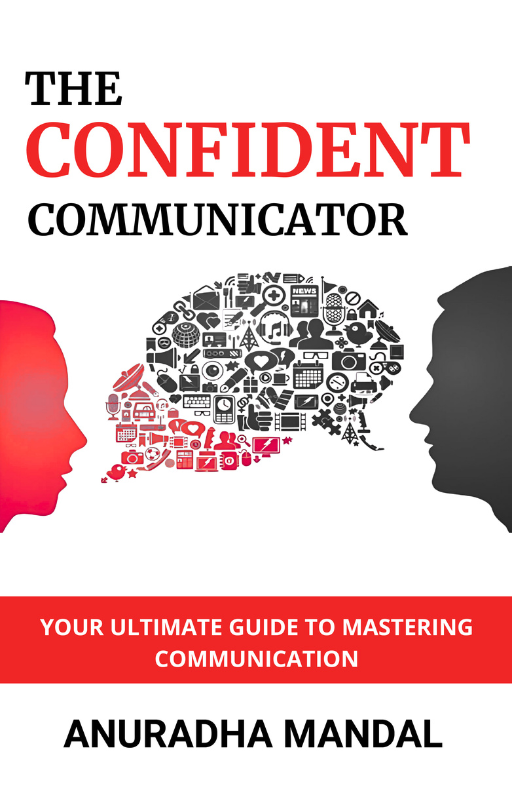
The Confident Communicator : Your Ultimate Guide To Mastering Communication
The Confident Communicator


If you’ve ever felt nervous speaking up, struggled to express your ideas, or wanted to make a stronger impact… this book is for YOU!

It’s packed with simple, actionable tips to help you:
✅ Speak with confidence
✅ Overcome fear of speaking
✅ Make an impact in any room

👉 Grab your copy now on Amazon: https://www.amazon.in/dp/9334318821

Let’s unlock your communication potential and help you own every conversation!
The Power of Communication: Why Communication and Skill Development Matter More Than Ever Read More »

Time Management

Time Management is the Ultimate Life Skill

Do you ever end your day wondering,

“Where did all my time go?”

Despite your best intentions, your to-do list remains unfinished, deadlines loom large, and stress levels rise.

Here’s the truth:

Time management is not about doing more; it’s about doing what matters most.

Whether you’re a student juggling studies and assignments, an entrepreneur wearing multiple hats, or a professional struggling with work-life balance—learning to manage your time is the ultimate productivity superpower.

Let’s dive deep into practical, easy-to-implement time management strategies that will help you reclaim control over your day and your life.

But before getting into detail, lets understand the meaning of Time Management.

Time management is the process of planning, organizing, and controlling how you spend your time to accomplish specific goals in a productive and efficient way.

It’s not just about getting more done.

It’s about doing the right things at the right time, with better focus and less stress.

In simple words:

Time management is about making conscious choices on how you use your 24 hours every day.

Why is Time Management Important?

Here’s the truth:

Time is your most limited and non-renewable resource.

You can earn more money, recharge your energy, and learn new skills—but you can’t get back lost time.

Effective time management helps you:
✅ Reduce stress
✅ Increase productivity
✅ Achieve your goals faster
✅ Maintain work-life balance
✅ Feel more in control of your day

Whether you’re a student trying to manage studies and extracurriculars, a professional juggling deadlines, or an entrepreneur running a business—good time management makes life easier and more fulfilling.

As motivational speaker Jim Rohn said:

“Time is more valuable than money. You can get more money, but you cannot get more time.”

Every day, we all get the same 24 hours. The difference between people who succeed and those who struggle lies in how they use those hours.


Key Elements of Time Management

Here are some of the most important aspects of time management:

  1. Goal Setting
    Start by knowing what you want to achieve. Clear goals help you prioritize your tasks.
  2. Prioritization
    Not all tasks are equal. Learn to identify what’s urgent and important, and focus on that first.
  3. Planning and Scheduling
    Use tools like calendars, planners, or apps to map out your day, week, or month.
  4. Time Blocking
    Assign specific time slots for different activities to avoid multitasking and distractions.
  5. Delegation (If applicable)
    If you’re part of a team, delegate tasks that others can handle.
  6. Focus and Avoiding Distractions
    Limit social media, unnecessary meetings, and multitasking to stay productive.
  7. Tracking and Reflecting
    Keep a check on how you’re spending your time and adjust your strategies regularly.


Time Management Challenges

Busting the Biggest Time Management Myths

Many of us struggle with time management because we unknowingly believe certain productivity myths. Let’s debunk them:

  • Myth 1: “I need to work harder.”
    ✅ Truth: It’s about working smarter, focusing on high-impact tasks.
  • Myth 2: “Being busy means I’m productive.”
    ✅ Truth: Busyness often masks inefficiency.
  • Myth 3: “Multitasking helps me get more done.”
    ✅ Truth: Multitasking reduces concentration and increases errors.
  • Myth 4: “I don’t have time.”
    ✅ Truth: You have time, but you need better time choices.


Popular Time Management Techniques

Some proven and widely used time management methods include:

  • The Eisenhower Matrix: Prioritize tasks based on urgency and importance.
  • Pomodoro Technique: Work in focused 25-minute intervals followed by short breaks.
  • Time Blocking: Allocate fixed time slots for specific types of work.
  • SMART Goal Setting: Make your goals Specific, Measurable, Achievable, Relevant, and Time-bound.
  • 80/20 Rule (Pareto Principle): Focus on the 20% of tasks that generate 80% of results.


Benefits of Good Time Management

✔️ Less stress and anxiety
✔️ Better work-life balance
✔️ Improved decision-making
✔️ Higher quality work
✔️ More free time for family, hobbies, and relaxation
✔️ Clear sense of direction and control over your life


Common Time Management Challenges

Even with the best intentions, many people struggle with:

  • Procrastination
  • Perfectionism
  • Poor planning
  • Distractions
  • Overcommitting

But the good news is—time management is a skill.

You can learn it, practice it, and get better at it.

Manage your time
Manage your time

Manage Your Energy, Not Just Your Time

Your energy drives your productivity.

Here’s how to manage it:

  • Sleep: Aim for 7–9 hours
  • Nutrition: Eat energy-sustaining meals
  • Peak Hours: Work on your hardest tasks when your energy is highest
  • Set Boundaries: Learn to say “No” gracefully
  • Stress Recovery: Practice breathing techniques, go for short walks, or do digital detoxes


Conclusion: You’re Not Just Managing Time, You’re Designing Your Life


Time management is more than crossing tasks off a list.

It’s about aligning your daily actions with your bigger life goals.

You’ve got this.

Your time, your rules.


Recommended Resources for Further Learning

  • Best Time-Tracking Apps for Professionals
  • Printable Eisenhower Matrix Template
  • SMART Goals Worksheet
  • Weekly Planning Template


🌟 Exciting News! 🌟
My new book “The Confident Communicator” is finally here! 🎉

If you’ve ever felt nervous speaking up, struggled to express your ideas, or wanted to make a stronger impact… this book is for YOU!

It’s packed with simple, actionable tips to help you:
✅ Speak with confidence
✅ Overcome fear of speaking
✅ Make an impact in any room

👉 Grab your copy now on Amazon: https://www.amazon.in/dp/9334318821

Let’s unlock your communication potential and help you own every conversation! 🚀

The Confident Communicator : Your Ultimate Guide To Mastering Communication

Time Management is the Ultimate Life Skill Read More »

Soft Skills Importance

Soft Skills Importance In The Age Of AI

Nobel Prize winner William Butler Yeats shared his million-dollar thoughts by stating this great line.

“Think like a wise man but communicate in the language of the people.”

Having knowledge is good, i.e. itself is not enough, we need to communicate it to others effectively.

By successfully getting our message across, we convey our thoughts and ideas effectively.

This is where the Soft Skills comes into the picture in a bigger way.

Soft skills are character traits and interpersonal skills that characterize a person’s ability to interact effectively with others.

Psychologists may use the term “soft skills” to describe someone’s emotional intelligence quotient (EQ) as opposed to intelligence quotient (IQ).

According to Wikipedia, Soft skills, also known as power skills, common skills, essential skills, people skills, or core skills, are skills applicable to all professions.

The word “skill” highlights the practical function.

The term alone has a very extensive meaning and describes a particular ability to complete tasks ranging from easier ones like learning how to kick a ball to harder ones like learning to be creative.

History Of Soft Skills

Going back to history, it was in the late 1960s the term “soft skills” was created by the U.S. Army.

It refers to any skill that does not employ the use of machinery.

The military realized this category, and understood, that the  social skills is necessary to lead groups,

Emphasized more on the social skills which were necessary to motivate soldiers,

and encompassed that this very social skills were much needed to win wars.

Concept Of Soft Skills


The concept of Soft Skill is very simple and easy to understand even in this age of AI

Soft skills are personal attributes that enable someone to interact effectively. These skills can include social graces, communication abilities, language skills, personal habits, cognitive or emotional empathy, time management, teamwork and leadership traits.

A definition based on review literature explains soft skills as an umbrella term for skills under three key functional elements: people skills, social skills, and personal career attributes.

And you should be not get confused with the common term referred as Skill set.

skill set is the knowledge, abilities, and qualifications required to perform a job.

Commonly, skill sets combine hard skills (also called technical skills) and soft skills (also called people skills). 

Advantages of Soft Skills


  1. Soft skills allow an individual to evolve and adapt to change in the workplace.
  2. Soft skills become sharper and more enhanced as individuals move up the hierarchy.
  3. Soft skills are common to every organization and highlight an individual’s hard skills and technical knowledge.
  4. In addition, soft skills reflect an individual’s personality, behavior, traits, and attitude.

Disadvantages of Soft Skills


  1. Soft skills cannot make up for hard skills or technical proficiency.
  2. Having proper qualifications and accolades to work in a particular field is crucial.
  3. Soft skills enhance an individual’s performance but aren’t as competitive compared to expertise.
  4. Soft skills are qualitative skills, so they cannot be calculated unless exhibited or proved.

Examples of Soft Skills


Different types of soft skills are relevant to different industries. Some examples of soft skills pertaining to different industries are as follow:

  • Customer Service: Communication, positive attitude, listening abilities, empathy, taking responsibility.  
  • Healthcare: Work ethic, teamwork, flexibility, time management, receptive attitude.  
  • Digital Marketing: Curiosity, willingness to learn, creativity, honesty, accepting criticism.  
  • Education: Written and oral communication, stress management, patience, enthusiasm, motivation.  
  • Design: Visual communication, active listening, attention to detail, aesthetics, verbal communication.  
  • Web Development: Open-mindedness, adaptability, critical thinking, confidence, time, and project management.    

Importance of Soft Skills


A recent survey by LinkedIn found that 92% of talent professionals believe soft skills are equally or more important than hard skills when it comes to hiring the right person for the job.

Soft skills are also uniquely human. In a workplace and job market changing at high speed because of technological advancement, they are the type of skills that cannot, thus far, be replicated by artificial intelligence (AI). This will only increase their importance in the future.

Below are some of the fundamental reasons why soft skills are important.

  • Career progression and promotion.
  • Improves workplace productivity.
  • The modern workplace is interpersonal.
  • Customers and clients demand soft skills.
  • The future workplace will rely on soft skills.
  • Build professional relationships.
  • Soft skills are hard to automate.
  • Soft skills are in huge demand by recruiters.
  • Complement your hard skills.
  • Increase your self-confidence.

Types of Soft Skills


Soft skills include the personal attributes, personality traits, and communication abilities needed for success.

Soft skills include:

  • Adaptability
  • Communication
  • Compromise
  • Creative thinking
  • Dependability
  • Leadership
  • Listening
  • Work ethic
  • Teamwork
  • Positivity
  • Time management
  • Motivation
  • Problem-solving
  • Critical thinking
  • Conflict resolution
  • Negotiation

How to Develop Soft Skills?


Development of soft skills has two parts.

One part involves developing attitudes and attributes, and the other part involves fine-tuning.

Unlike hard skills that are learned, soft skills are similar to emotions or insights that allow people to “read” others. In order to develop Soft Skills one can take up the following:

  • Job Training Programs
  • On-the-Job Training
  • Education and Volunteering.

How to Improve Soft Skills


There is a very thin line when it comes to improving your soft skills in connection to developing your soft skills. Below simple steps will help you on how to improve your soft skills.

  1. Be open to feedback
  2. Communicate often
  3. Emphasize teamwork
  4. Build positive relationships
  5. Get outside of your comfort zone
  6. Get ready to learn
  7. Adapt to workplace changes
  8. Observe others
  9. Work through conflict
  10. Take on a leadership role
  11. Arrive at work on time

Conclusion


To be successful in any role, one need a combination of relevant hard skills and soft skills.

And that is why  it is important to have both hard and soft skills.

Hard and soft skills are both crucial for personal and professional success. They play distinct role yet complementary.

A balance between hard and soft skills is essential for success.

Combining hard skills with soft skills creates well-rounded professionals. It allows them to excel in their roles.

A blend of hard and soft skills allows individuals to adapt to changing situations.

There is no one-size-fits-all ratio for hard skills to soft skills, as it heavily depends on the industry, job role, and individual career goals.

As you move ahead in the journey of  your skills, the career path also plays an important role.

Grab the book for creating  your own career path.

Learn The Secrets Of Getting A Successful Career In Easy Steps:

 How to Choose Your Career Path”- A self-Guided Book Just For You.

The eBook and the paperback version are available just a click away. https://www.amazon.in/dp/B0B2JRTMBZ.

Soft Skills Importance In The Age Of AI Read More »