
soft skills

Decision-making skills

How to Improve Your Decision-Making Skills : A Complete Guide for Professionals and Students

We make hundreds of decisions every single day.

Some are small—like what to wear or what to eat for breakfast.

Others are life-changing—like choosing a career, accepting a job offer, or making a business investment.

But here’s the truth:

Most people are never formally taught how to make decisions.

If you’ve ever struggled with overthinking, second-guessing yourself, or feeling stuck at decision points, this article is for you.

As a communication skills coach and content creator, I work with students, professionals, and entrepreneurs who all face one common challenge:

“How do I make better decisions—faster and with more confidence?”

In this blog post, you’ll learn:

✅ Why decision-making is a crucial life skill
✅ Common reasons why people struggle with decisions
✅ Simple and practical ways to improve your decision-making skills
✅ Tools and frameworks to help you decide better

Part 1: Why Decision-Making Skills Are Essential

Let’s start with a basic truth:

Your current life is a result of all the decisions you’ve made in the past.

From small daily choices to big career moves, every decision shapes your journey.

Here’s why decision-making is a must-have skill in today’s fast-paced world:

  1. It Saves Time and Reduces Stress

Indecision drains mental energy.

Clear, confident decisions help you take action quickly and reduce unnecessary stress.

  1. It Builds Confidence and Leadership

Strong decision-makers are seen as reliable, responsible, and leadership-ready.

Whether you’re a team lead or a student leader, decision-making ability earns respect.

  1. It Increases Productivity

Spending too much time stuck on simple choices leads to procrastination and delays.

Quick, effective decision-making helps you stay productive and results-driven.

  1. It Prepares You for Uncertainty

In today’s dynamic world, situations change rapidly.

Your ability to make fast, well-thought-out decisions helps you navigate uncertainty better.
Decision-making skills

Part 2: Common Reasons Why People Struggle with Decision-Making

Before we learn how to improve, let’s understand why making decisions feels so hard sometimes.

  1. Fear of Failure

“What if I make the wrong choice?”

Fear of making a mistake often leads to analysis paralysis.

  1. Overthinking and Perfectionism

Some people want 100% certainty and overanalyze every option, making the decision process slow and stressful.

  1. Lack of Information

Sometimes we don’t have enough data, leading to confusion.

  1. Peer Pressure and External Influence

We often let others’ opinions cloud our own judgment.

  1. Emotional Bias

Decisions driven purely by emotions, without logic, often lead to regret.

Part 3: How to Improve Your Decision-Making Skills: Step-by-Step Strategies

Now, let’s get to the heart of this blog:

How can YOU improve your decision-making skills starting today?

Here’s a simple, actionable roadmap.

Step 1: Clarify Your Goal

Every decision has a purpose.

Ask yourself:

  • What exactly am I trying to achieve?
  • What does success look like for this decision?

Example:
If you’re deciding between two job offers:
Is your priority salary, learning opportunities, work culture, or location?

Having a clear goal simplifies your choices.

Step 2: Gather Relevant Information (But Don’t Overload)

Do your research, but avoid getting stuck in endless information collection.

Ask:

  • What are the key facts I need to know?
  • Who can I consult for reliable advice?

Quick Tip:

Limit your research time. Give yourself a deadline like: “I will decide within 48 hours after doing basic research.”

Step 3: List Down Your Options

Write down all possible choices.
Seeing options on paper helps you think more objectively.

For example:

  • Option A: Stay in your current job
  • Option B: Switch to a new company
  • Option C: Start your own business

Having clarity on your options helps reduce confusion.

Step 4: Evaluate Pros and Cons

For each option, list:

✅ Benefits
❌ Drawbacks

This exercise forces you to think logically.

Example:

Option Pros Cons
New Job Offer Higher salary, new learning Longer commute, new risks
Current Job Familiar environment Slower growth

Step 5: Trust Your Intuition (But Balance It with Logic)

Sometimes, after all the analysis, your gut feeling will guide you.

Research says:
Experienced decision-makers often rely on a mix of data and intuition.

Quick Tip:

Ask yourself: “If I had to decide in the next 5 minutes, what would I choose instinctively?”

Step 6: Take Action

A decision means nothing without action.

Once you decide:

✅ Commit
✅ Take the first step
✅ Stop second-guessing

Remember:

No decision is 100% perfect.
Even if things go wrong, you’ll learn and grow.

Step 7: Review and Reflect Afterward

Every decision—good or bad—is a learning opportunity.

After some time, reflect:

  • Did the decision help me move closer to my goal?
  • What did I learn from the process?
  • How can I make better decisions next time?

Part 4: Bonus Decision-Making Techniques and Frameworks

If you want to get even better, here are some time-tested techniques:

  1. The 80/20 Rule (Pareto Principle)

Focus on the 20% of factors that will impact 80% of your results.

Example:

If you’re choosing a college, don’t get stuck on small things like cafeteria food.
Focus on education quality and career outcomes.

  1. The Eisenhower Matrix (For Prioritizing Decisions)

Categorize decisions based on:

Urgent Not Urgent
Important Do now
Not Important Delegate

This helps you decide what needs your attention first.

  1. The 10-10-10 Rule (By Suzy Welch)

For tough decisions, ask:

  • How will I feel about this decision in 10 minutes?
  • In 10 months?
  • In 10 years?

It gives you perspective and reduces emotional bias.
SWOT Analysis
SWOT Analysis
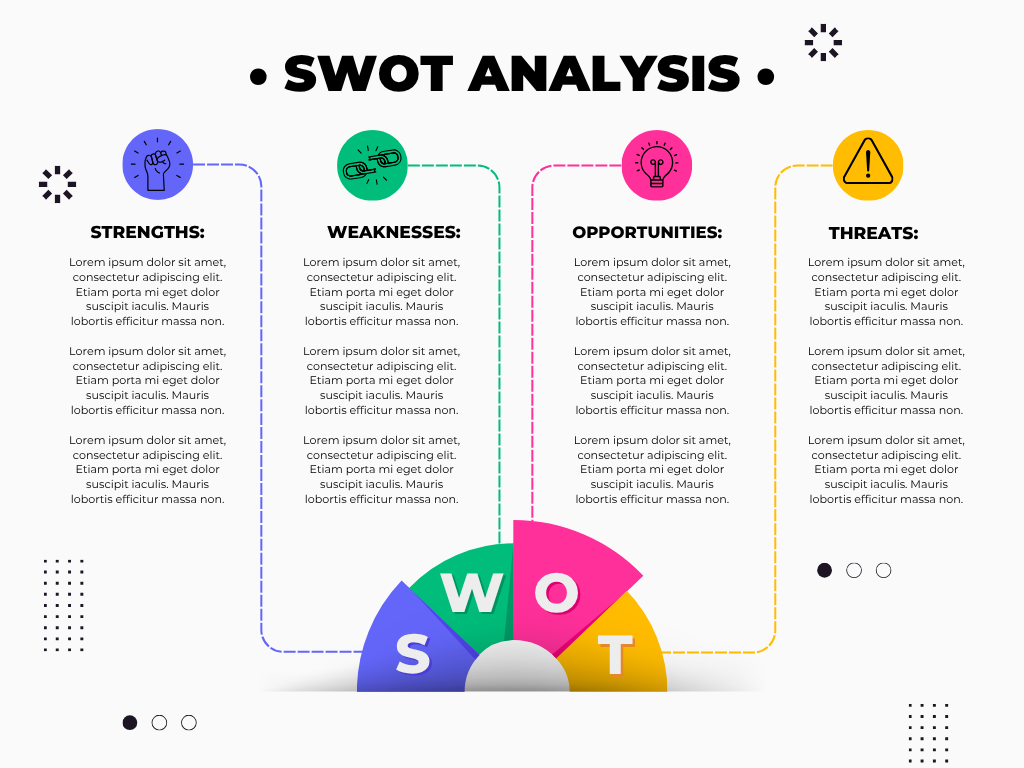
  1. The SWOT Analysis (Strengths, Weaknesses, Opportunities, Threats)

For big career or business decisions, do a SWOT analysis for each option.

Example:

Switching Careers?

Strengths Weaknesses
Fast learner Lack of experience


Opportunities Threats
Growing industry Financial risk


Part 5: How Communication Skills Improve Decision-Making

Since I’m also a communication skills coach, let me highlight this important connection.

Better communication = Better decisions

Here’s how:

  • Active listening: Helps you gather diverse inputs before deciding.
  • Asking the right questions: Helps clarify doubts.
  • Expressing decisions clearly: Reduces confusion within teams.
  • Handling feedback: Helps you adjust decisions when needed.
  • Negotiation skills: Helps you influence stakeholders during decision-making.

Example:

A team leader with strong communication skills can gather inputs from the team, explain decisions effectively, and motivate everyone towards implementation.

Part 6: Overcoming Fear of Decision-Making

If you’re still scared of making the wrong choice, here’s something to remember:

👉 There’s no such thing as a perfect decision.
👉 Every choice brings learning.
👉 Taking action is better than staying stuck.

Some decisions will work out beautifully.

Others will teach you valuable lessons.

But both will help you grow.

Final Thoughts

Decision-making is not just a skill. It’s a life tool.

The faster and more confidently you learn to make decisions:

✅ The faster you grow
✅ The more opportunities you grab
✅ The more control you gain over your career and life

Here’s your action plan starting today:

✅ Start with small decisions
✅ Practice the steps from this blog
✅ Use decision-making frameworks
✅ Reflect and learn after each decision

Because remember:

The quality of your decisions shapes the quality of your life.

Call to Action

What decision are you currently struggling with?
Share in the comments below.
If you want, I can also create a free PDF guide:

🌟 Exciting News! 🌟
My new book “The Confident Communicator” is finally here! 🎉

If you’ve ever felt nervous speaking up, struggled to express your ideas, or wanted to make a stronger impact… this book is for YOU!

It’s packed with simple, actionable tips to help you:
✅ Speak with confidence
✅ Overcome fear of speaking
✅ Make an impact in any room

👉 Grab your copy now on Amazon: https://www.amazon.in/dp/9334318821
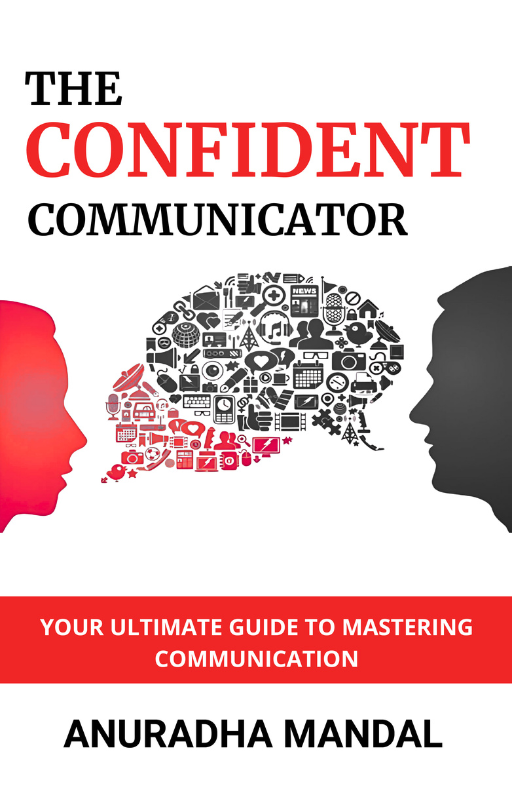
The Confident Communicator : Your Ultimate Guide To Mastering Communication
The Confident Communicator

How to Improve Your Decision-Making Skills : A Complete Guide for Professionals and Students Read More »

Skill Development

Why Skill is More Important Than Knowledge in Today’s World

We’ve all grown up hearing phrases like “Knowledge is power” and “The more you know, the further you go.”

But in today’s fast-changing world, there’s a noticeable shift.

Knowledge alone is no longer enough.

What truly sets successful people apart is their skills—their ability to apply knowledge in practical, real-world situations.

If you’re a student, a young professional, an entrepreneur, or even a lifelong learner, this article will help you understand:

✅ Why skill is more valuable than knowledge in today’s time
✅ The difference between knowledge and skill
✅ Real-world examples of how skill creates impact
✅ How you can start focusing on skill development

Difference Between Knowledge and Skill

Part 1: Understanding the Difference Between Knowledge and Skill

Before we dive deeper, let’s clarify the difference:

  • Knowledge: It’s information, facts, theories, and concepts you learn from books, lectures, or research.

Example: Knowing the theory of how a bike works.

  • Skill: It’s the ability to apply that knowledge in real-world scenarios through practice and experience.

Example: Actually riding the bike smoothly on the road.

In simple words:
👉 Knowledge = Knowing something
👉 Skill = Doing something effectively

Both are important. But today, skill carries more weight.

Part 2: Why Skill is More Important Than Knowledge Today

  1. The Internet Has Made Knowledge Easily Accessible

20 years ago, accessing information was a big task.

People depended on libraries, teachers, or formal education.

But today?

With just one Google search or a 5-minute YouTube video, you can learn facts about almost anything.

Knowledge is no longer scarce.

It’s abundant.

What’s scarce is execution.

Your ability to take action, solve real problems, and deliver results—that’s what companies and clients care about today.

  1. Employers Hire for Skills, Not Just Degrees

Having a degree or a certificate shows that you’ve learned theory.
But employers now ask:

  • “Can this person actually do the job?”
  • “Can they communicate, collaborate, and deliver results under pressure?”

Real job skills like:

  • Communication
  • Problem-solving
  • Coding
  • Marketing
  • Sales
  • Time management

These are things employers value more than just textbook knowledge.

A LinkedIn report on hiring trends says:

“Employers today are shifting from degree-based hiring to skill-based hiring.”

  1. The Job Market is Changing Rapidly

With automation, AI, and digital transformation, industries are evolving faster than ever.

Jobs that existed five years ago may not exist tomorrow.

What does that mean for you?

The skill to learn, unlearn, and relearn is more important than simply memorizing facts.

Being adaptable and having practical skills gives you the edge to survive and grow in a changing market.

Part 3: Real-World Examples – Skill Over Knowledge

Example 1: Public Speaking vs Theoretical Knowledge

You may read 10 books on public speaking and learn all the techniques like:

  • Eye contact
  • Voice modulation
  • Storytelling

But unless you get on stage and speak in front of an audience, you’ll never develop the

Knowledge tells you “how.”

Skill shows that you actually “can.”

Example 2: Entrepreneurship

Thousands of people read business books and attend MBA classes.
But only those who develop real-world skills like:

  • Negotiation
  • Sales
  • Leadership
  • Problem-solving

…are able to build and run successful businesses.

Example 3: Digital Marketing

You can learn digital marketing concepts online for free.
But running actual ad campaigns, analyzing data, making strategy adjustments—those are skills that only come with practice.

Top Skills In Demand

Part 4: Top Skills in Demand Today

Here’s a look at some of the most in-demand skills in 2025 and beyond:

Soft Skills (Interpersonal Skills)

  • Communication
  • Emotional Intelligence
  • Leadership
  • Adaptability
  • Problem-solving
  • Creativity
  • Teamwork
  • Critical Thinking

Hard Skills (Technical Skills)

  • Data Analysis
  • Digital Marketing
  • Coding (Python, JavaScript, etc.)
  • Graphic Designing
  • UI/UX Design
  • Video Editing
  • SEO and SEM
  • Project Management

Transferable Skills (Useful in Any Job)

  • Time management
  • Decision making
  • Negotiation
  • Conflict resolution
  • Presentation skills


Important Note:

You don’t have to learn everything. Start with 1-2 skills that align with your career goals.

Part 5: Why Focusing Only on Knowledge Can Hold You Back

Let’s be honest.

Many people today are “knowledge collectors” but action avoiders.

They attend webinars, read books, watch tutorials—but don’t take action.

Here’s what happens when you have knowledge but no skill:

❌ You hesitate when it’s time to perform
❌ You lack confidence in real-life situations
❌ You miss opportunities because you’re stuck in theory mode

Knowledge without application = zero real-world impact.

Part 6: How to Shift Your Focus from Knowledge to Skill Development

Here’s a practical action plan:

  1. Learn by Doing

If you want to learn communication, start speaking in meetings.
If you want to learn coding, start building small projects.
If you want to learn sales, start pitching products—even if it’s just to friends.

Action beats endless learning.

  1. Take Online Skill-Based Courses

Choose courses that offer:

  • Practical projects
  • Simulations
  • Assignments
  • Real-world case studies

Some good platforms: Coursera, Udemy, LinkedIn Learning, Skillshare, take my course.

  1. Practice Deliberately

Deliberate practice means:

  • Practicing regularly
  • Getting feedback
  • Improving after every attempt

Example: If you’re learning public speaking, record your speeches, watch them, and refine your delivery.

  1. Get Out of Your Comfort Zone

Growth happens when you do things you’re scared of.

  • Speak at events.
  • Take freelance projects.
  • Apply for internships.
  • Every new experience builds new skills.
  1. Build a Skill Portfolio

Start documenting your skills.

For example:

  • Create a blog to showcase your writing
  • Build a GitHub profile for coding projects
  • Upload sample designs on online platform, if you’re a designer
  • Create demo videos if you’re learning video editing

Show the world what you can do—not just what you know.

  1. Embrace Failure as Feedback

When you practice, you’ll make mistakes.

That’s normal.

Every mistake teaches you something that books never can.

Failure = learning in disguise.

Part 7: The Future Belongs to Skilled Learners

We’re living in a skills-first economy.

The world is moving away from degree obsession and towards skills demonstration.

Companies like Google, Apple, and Tesla are hiring based on skill tests, portfolio work, and performance in live projects—not just educational qualifications.

This is a golden opportunity for anyone willing to learn and develop real-world abilities.

Final Thoughts

Knowledge is important—but it’s not enough anymore.

What matters today is what you can DO with that knowledge.

Here’s the new mantra for success:

“Skills pay the bills.”

Start by picking one skill today:

✅ Communication
✅ Public speaking
✅ Digital marketing
✅ Coding
✅ Design
✅ Sales
✅ Any other area that excites you

Learn it. Practice it. Apply it.

Because in the end, skills create opportunities, build careers, and shape futures.

Call to Action:

Which skill are you going to focus on first?
Tell me in the comments below!

🌟 Exciting News! 🌟
My new book “The Confident Communicator” is finally here! 🎉

If you’ve ever felt nervous speaking up, struggled to express your ideas, or wanted to make a stronger impact… this book is for YOU!

It’s packed with simple, actionable tips to help you:
✅ Speak with confidence
✅ Overcome fear of speaking
✅ Make an impact in any room

👉 Grab your copy now on Amazon: https://www.amazon.in/dp/9334318821
The Confident Communicator : Your Ultimate Guide To Mastering Communication
The Confident Communicator

Let’s unlock your communication potential and help you own every conversation!

Why Skill is More Important Than Knowledge in Today’s World Read More »

7 Skills of a Highly Effective Leader

7 Skills of a Highly Effective Leader: Unlock Your True Leadership Potential

In today’s fast-paced, ever-changing world, leadership is no longer just about designations and job titles.

Leaders inculcate skills which makes them highly effective leaders.

It’s about influence, impact, and inspiring others towards a shared vision.

Whether you are a manager, entrepreneur, team lead, or an aspiring leader, understanding the essential skills that define highly effective leaders can make a huge difference in your journey.

Leadership is not a one-size-fits-all role. But there are some core skills that every successful leader consistently demonstrates.

Let’s dive deep into the 7 skills of highly effective leaders that can help you lead with confidence, clarity, and compassion.

Effective Communication

If there’s one skill that every great leader must master, it’s communication.

Why it matters:

Leadership starts with communication. Whether it’s giving feedback, setting expectations, inspiring a team, or handling conflicts, your ability to articulate your thoughts clearly can make or break your leadership effectiveness.

What makes a leader’s

  • Clarity: Great leaders don’t confuse people with jargon. They simplify complex ideas and give clear instructions.
  • Empathy: They listen actively. They care about what their team members feel and think.
  • Inspiration: Leaders use stories, analogies, and powerful language to motivate and inspire action.

Quick Tip:
Start every team meeting by clarifying the purpose: “Here’s why we’re here today and what I want us to achieve by the end.”

Real-Life Example:
Think of leaders like Barack Obama or Dr. APJ Abdul Kalam—their speeches didn’t just inform, they moved people emotionally.

Effective Communication

Emotional Intelligence (EQ)

Being book-smart or having technical knowledge is not enough. Great leaders are emotionally intelligent.

What is Emotional Intelligence?

It’s your ability to recognize, understand, and manage your own emotions while also understanding and influencing the emotions of others.

Core components of EQ in leadership:

  • Self-awareness: Knowing your triggers and emotional patterns.
  • Self-regulation: Staying calm under pressure.
  • Empathy: Understanding others’ perspectives.
  • Social skills: Building strong relationships and trust.
  • Motivation: Staying driven and positive even in tough situations.

Why it matters in leadership:
People don’t quit jobs—they quit managers. Leaders with high EQ create psychologically safe work environments where people feel valued and understood.

Quick Tip:
Before responding emotionally in a meeting, pause for 10 seconds. Breathe. Then respond with thought, not impulse.

Decision-Making Ability

Leadership often means making tough decisions with incomplete information.

What makes a leader a good decision-maker?

  • Analytical thinking: Looking at facts and data.
  • Intuition: Trusting gut feelings when logic alone isn’t enough.
  • Risk assessment: Evaluating the pros and cons.
  • Accountability: Owning both successes and failures.

Why it matters:
Indecision leads to stagnation. Teams look up to leaders for direction and confidence.

Quick Tip:
Use the 70% rule: If you have 70% of the information you need and waiting longer won’t bring much more clarity—decide and move forward.

Example:
In times of crisis (like the COVID-19 pandemic), leaders who took fast and decisive actions helped their teams and organizations stay afloat.

Decision Making
Decision Making

Adaptability and Change Management

We live in a world where change is the only constant. Technology evolves. Customer expectations shift. Market conditions fluctuate.

Highly effective leaders are adaptable. They:

  • Embrace change, not fear it.
  • Prepare their teams for transitions.
  • Stay flexible in their approach.

Why it matters:
Teams follow leaders who demonstrate confidence during uncertainty. Your ability to adapt builds trust and reduces anxiety within the team.

Quick Tip:
When implementing change, communicate the “why” behind it. People resist change less when they understand the reason for it.

Example:
Think of leaders like Satya Nadella, CEO of Microsoft, who transformed the company culture by embracing new ways of working.

Delegation and Empowerment

Effective leaders know they can’t do everything themselves. They build strong teams and trust them with responsibilities.

Why leaders struggle with delegation:

  • Fear of losing control.
  • Lack of trust in team capability.
  • Perfectionism.

Why it matters:
Micromanagement kills motivation. Delegation, on the other hand, builds ownership and develops future leaders.

Key practices for effective delegation:

  • Assign tasks based on team members’ strengths.
  • Set clear expectations and deadlines.
  • Provide support but don’t micromanage.
  • Give feedback and acknowledge good work.

Quick Tip:

Use the “Who else can do this?” question before taking on a new task yourself.

Example:
Effective CEOs spend more time on strategy and vision because they’ve built teams they trust to handle execution.

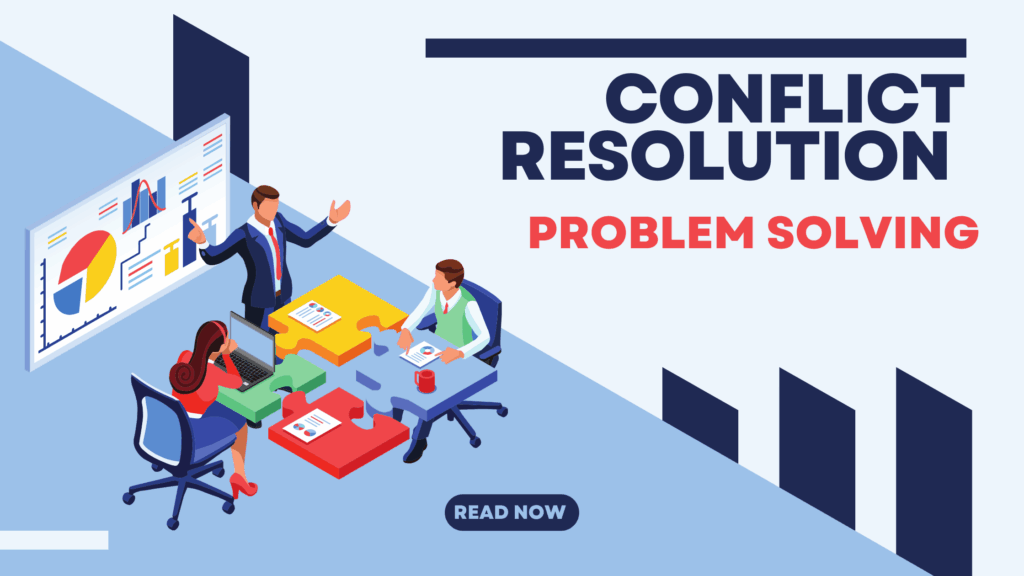
Conflict Resolution and Problem-Solving

Wherever people work together, conflicts and disagreements will arise. How you handle them as a leader determines the team’s health.

What great leaders do:

  • Address conflicts early—don’t ignore them.
  • Stay neutral and listen to all sides.
  • Focus on the issue, not the individual.
  • Guide the team towards a win-win solution.

Why it matters:
Unresolved conflicts create toxic work environments, lower productivity, and increase attrition.

Quick Tip:
When resolving a conflict, focus on asking: “What’s the best solution for the team and the organization?” instead of “Who’s right or wrong?”

Example:
Leaders in high-pressure industries like media, IT, and healthcare often spend significant time facilitating dialogue and mediating between teams to resolve differences.

Conflict Resolution & Problem Solving

Bonus Skill: Leading by Example

Apart from these 7 skills, there’s one golden rule of leadership: Walk the talk.

You can’t expect punctuality, accountability, or dedication from your team if you don’t demonstrate them yourself.

Leadership is not a title. It’s a behavior.

When you show up with integrity, dedication, and consistency—your team naturally follows suit.

Final Thoughts: Start Practicing Leadership Today

Leadership is not something you’re born with. It’s something you build—day by day, conversation by conversation, decision by decision.

Whether you’re leading a small project team or running an entire organization, these 7 skills are your toolkit for becoming a highly effective leader:

✅ Communicate with clarity and empathy
✅ Build emotional intelligence
✅ Make confident decisions
✅ Stay adaptable in times of change
✅ Inspire with a strong vision
✅ Empower others through delegation
✅ Resolve conflicts with fairness

And above all—lead by example.

Call to Action:

If you’re serious about improving your leadership communication skills, start by working on just one of these areas this week. Small consistent actions will build big leadership impact over time.

👉 Which of these 7 skills do you want to improve first?

Tell me in the comments below!

🌟 Exciting News! 🌟
My new book “The Confident Communicator” is finally here! 🎉

The Confident Communicator : Your Ultimate Guide To Mastering Communication
The Confident Communicator

If you’ve ever felt nervous speaking up, struggled to express your ideas, or wanted to make a stronger impact… this book is for YOU!

It’s packed with simple, actionable tips to help you:
✅ Speak with confidence
✅ Overcome fear of speaking
✅ Make an impact in any room

👉 Grab your copy now on Amazon: https://www.amazon.in/dp/9334318821

Let’s unlock your communication potential and help you own every conversation! 🚀


7 Skills of a Highly Effective Leader: Unlock Your True Leadership Potential Read More »

Time Management

Time Management is the Ultimate Life Skill

Do you ever end your day wondering,

“Where did all my time go?”

Despite your best intentions, your to-do list remains unfinished, deadlines loom large, and stress levels rise.

Here’s the truth:

Time management is not about doing more; it’s about doing what matters most.

Whether you’re a student juggling studies and assignments, an entrepreneur wearing multiple hats, or a professional struggling with work-life balance—learning to manage your time is the ultimate productivity superpower.

Let’s dive deep into practical, easy-to-implement time management strategies that will help you reclaim control over your day and your life.

But before getting into detail, lets understand the meaning of Time Management.

Time management is the process of planning, organizing, and controlling how you spend your time to accomplish specific goals in a productive and efficient way.

It’s not just about getting more done.

It’s about doing the right things at the right time, with better focus and less stress.

In simple words:

Time management is about making conscious choices on how you use your 24 hours every day.

Why is Time Management Important?

Here’s the truth:

Time is your most limited and non-renewable resource.

You can earn more money, recharge your energy, and learn new skills—but you can’t get back lost time.

Effective time management helps you:
✅ Reduce stress
✅ Increase productivity
✅ Achieve your goals faster
✅ Maintain work-life balance
✅ Feel more in control of your day

Whether you’re a student trying to manage studies and extracurriculars, a professional juggling deadlines, or an entrepreneur running a business—good time management makes life easier and more fulfilling.

As motivational speaker Jim Rohn said:

“Time is more valuable than money. You can get more money, but you cannot get more time.”

Every day, we all get the same 24 hours. The difference between people who succeed and those who struggle lies in how they use those hours.


Key Elements of Time Management

Here are some of the most important aspects of time management:

  1. Goal Setting
    Start by knowing what you want to achieve. Clear goals help you prioritize your tasks.
  2. Prioritization
    Not all tasks are equal. Learn to identify what’s urgent and important, and focus on that first.
  3. Planning and Scheduling
    Use tools like calendars, planners, or apps to map out your day, week, or month.
  4. Time Blocking
    Assign specific time slots for different activities to avoid multitasking and distractions.
  5. Delegation (If applicable)
    If you’re part of a team, delegate tasks that others can handle.
  6. Focus and Avoiding Distractions
    Limit social media, unnecessary meetings, and multitasking to stay productive.
  7. Tracking and Reflecting
    Keep a check on how you’re spending your time and adjust your strategies regularly.


Time Management Challenges

Busting the Biggest Time Management Myths

Many of us struggle with time management because we unknowingly believe certain productivity myths. Let’s debunk them:

  • Myth 1: “I need to work harder.”
    ✅ Truth: It’s about working smarter, focusing on high-impact tasks.
  • Myth 2: “Being busy means I’m productive.”
    ✅ Truth: Busyness often masks inefficiency.
  • Myth 3: “Multitasking helps me get more done.”
    ✅ Truth: Multitasking reduces concentration and increases errors.
  • Myth 4: “I don’t have time.”
    ✅ Truth: You have time, but you need better time choices.


Popular Time Management Techniques

Some proven and widely used time management methods include:

  • The Eisenhower Matrix: Prioritize tasks based on urgency and importance.
  • Pomodoro Technique: Work in focused 25-minute intervals followed by short breaks.
  • Time Blocking: Allocate fixed time slots for specific types of work.
  • SMART Goal Setting: Make your goals Specific, Measurable, Achievable, Relevant, and Time-bound.
  • 80/20 Rule (Pareto Principle): Focus on the 20% of tasks that generate 80% of results.


Benefits of Good Time Management

✔️ Less stress and anxiety
✔️ Better work-life balance
✔️ Improved decision-making
✔️ Higher quality work
✔️ More free time for family, hobbies, and relaxation
✔️ Clear sense of direction and control over your life


Common Time Management Challenges

Even with the best intentions, many people struggle with:

  • Procrastination
  • Perfectionism
  • Poor planning
  • Distractions
  • Overcommitting

But the good news is—time management is a skill.

You can learn it, practice it, and get better at it.

Manage your time
Manage your time

Manage Your Energy, Not Just Your Time

Your energy drives your productivity.

Here’s how to manage it:

  • Sleep: Aim for 7–9 hours
  • Nutrition: Eat energy-sustaining meals
  • Peak Hours: Work on your hardest tasks when your energy is highest
  • Set Boundaries: Learn to say “No” gracefully
  • Stress Recovery: Practice breathing techniques, go for short walks, or do digital detoxes


Conclusion: You’re Not Just Managing Time, You’re Designing Your Life


Time management is more than crossing tasks off a list.

It’s about aligning your daily actions with your bigger life goals.

You’ve got this.

Your time, your rules.


Recommended Resources for Further Learning

  • Best Time-Tracking Apps for Professionals
  • Printable Eisenhower Matrix Template
  • SMART Goals Worksheet
  • Weekly Planning Template


🌟 Exciting News! 🌟
My new book “The Confident Communicator” is finally here! 🎉

If you’ve ever felt nervous speaking up, struggled to express your ideas, or wanted to make a stronger impact… this book is for YOU!

It’s packed with simple, actionable tips to help you:
✅ Speak with confidence
✅ Overcome fear of speaking
✅ Make an impact in any room

👉 Grab your copy now on Amazon: https://www.amazon.in/dp/9334318821
Let’s unlock your communication potential and help you own every conversation! 🚀

The Confident Communicator : Your Ultimate Guide To Mastering Communication

Time Management is the Ultimate Life Skill Read More »

WhatsApp Image 2025 01 19 at 11.31.10 AM

Enhancing Communication Skills: Key Strategies for Success

In today’s interconnected world, strong communication skills aren’t just nice to have – they’re essential for success.

According to a LinkedIn survey conducted in 2023, communication skills topped the list of most in-demand soft skills, with 93% of employers rating them as crucial for workplace success.

Let’s explore practical strategies to enhance your communication abilities.

The Power of Active Listening

The power of active listening
Communication skill – Active Listening

Did you know that we typically remember only 25-50% of what we hear?

That’s according to research from the University of Missouri.

Active listening can significantly improve this retention rate.

Take Sania, a sales manager at a tech company, who transformed her team’s performance by implementing active listening techniques. Her team’s customer satisfaction scores improved by 40% in just six months.

Key active listening practices include:

  • Maintaining eye contact
  • Providing verbal and non-verbal feedback
  • Asking clarifying questions
  • Avoiding interruptions

Body Language: Your Silent Communicator

Our non-verbal cues speak volumes.

Studies by Dr. Albert Mehrabian suggest that 55% of communication is body language, 38% is tone of voice, and only 7% is the actual words we speak.

Consider John, a nervous public speaker who crossed his arms during presentations.

After working on his body language, particularly maintaining an open posture and using purposeful gestures, his audience engagement scores increased by 65%.

Communication Skill : Body Language

Written Communication in the Digital Age

With remote work becoming prevalent (47% of workers now work remotely at least part-time according to Gallup’s 2024 workplace report), written communication has gained unprecedented importance.

Clear, concise writing can make or break professional relationships.

A study by Grammarly found that professionals who wrote clearly and effectively were 31% more likely to be promoted.

Take Maria, a project manager who implemented a structured email format for her team. Her simple change reduced back-and-forth emails by 35% and improved project completion times by 28%.

The Art of Public Speaking

While 75% of people report having glossophobia (fear of public speaking), mastering this skill can increase your earning potential by 10-50%, according to a study by the National Association of Colleges and Employers.

Consider David, who joined Toastmasters International. After six months of regular practice, he secured a promotion that required frequent presentations to senior management.

Effective public speaking strategies include:

  • Starting with a strong hook
  • Using the rule of three for main points
  • Incorporating relevant stories
  • Practicing regularly

Cultural Competence in Communication

In our globalized world, understanding cultural nuances is crucial.

A study by the Harvard Business Review found that companies with high cultural competence outperformed their competitors by 46% in profitability.

Take the case of a multinational tech company that saw a 50% increase in international client retention after implementing cultural communication training.

Digital Communication Tools and Etiquette

With professionals spending an average of 3.1 hours daily on work emails (Adobe Email Usage Study), mastering digital communication tools is essential.

Microsoft Teams reports that effective use of collaboration tools can save employees up to 4 hours per week.

Practical tips for digital communication:

  • Keep messages clear and concise
  • Use appropriate channels for different types of communication
  • Respect time zones in global teams
  • Maintain professional tone across platforms

Emotional Intelligence in Communication

Research by TalentSmart shows that 90% of top performers have high emotional intelligence.

Lisa, a customer service manager, implemented emotional intelligence training for her team, resulting in a 42% reduction in customer complaints and a 27% increase in positive feedback.

Components of emotional intelligence in communication:

  • Self-awareness
  • Empathy
  • Conflict resolution skills
  • Adaptability

Feedback and Continuous Improvement

Regular feedback is crucial for developing communication skills.

A Gallup poll found that employees who receive regular feedback are 3.5 times more likely to be engaged at work.

Consider implementing the SBI (Situation-Behavior-Impact) feedback model, which has shown to improve communication clarity by up to 40%.

Practical Steps for Implementation

  1. Start with self-assessment using communication skills assessment tools
  2. Set specific, measurable goals for improvement
  3. Practice regularly in low-stakes situations
  4. Seek feedback from trusted colleagues
  5. Record and analyze your communication patterns
Communication Skills
Communication Skills: Writing & Practice

The Impact on Career Success

Strong communication skills can lead to:

  • 25% higher average salary (PayScale survey)
  • 34% increased likelihood of promotion within two years
  • 50% better team collaboration scores
  • 40% higher customer satisfaction ratings

Remember, enhancing communication skills is a journey, not a destination.

Start with one area, practice consistently, and build upon your successes.

As Warren Buffet noted, “You can improve your value by 50 percent just by learning communication skills.”

By implementing these strategies and maintaining consistency in practice, you’ll see significant improvements in both personal and professional relationships.

The key is to start small, stay committed, and celebrate progress along the way.

Conclusion

Enhancing your communication skills and developing your personality is a journey, not a destination.

By taking small, consistent steps, you can become a more confident, articulate, and approachable individual.

Remember, the key is to stay patient, practice regularly, and embrace growth. Start today, and watch how these changes positively impact every aspect of your life.

Leave a comment for on what is your go to strategy for enhancing your communication skills.

Enhancing Communication Skills: Key Strategies for Success Read More »