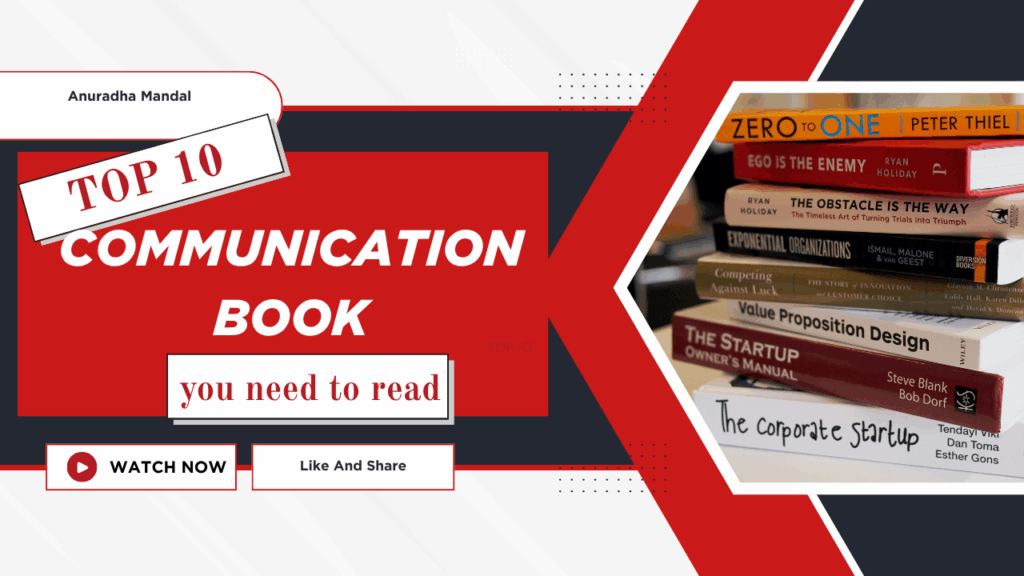
Top 10 Books to Improve Communication Skills : International Author
If you’ve ever found yourself thinking…
“How do I speak more confidently?”
“How do I write and present better?”
Or… “How do I make people really listen to me?”
Then this article is for you.
I’m sharing 10 must-read books that can literally transform how you speak, write, listen, and connect with people — both at work and in life.
So grab a notebook, because I’m not just giving you book names… I’ll also tell you:
✅ Why you should read it
✅ What communication skill you’ll build
✅ The best age group for the book
✅ How to actually use it (not just buy and keep it!)
✅ Plus… 3 key takeaways from each book
Let’s dive in!
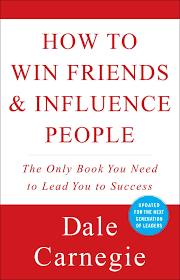
📚 Book 1: “How to Win Friends and Influence People” by Dale Carnegie
Why this book?
It’s the ultimate classic! Written in 1936 but still insanely relevant.
What you’ll learn:
Building rapport, making people like you, persuasion, and relationship-building.
Strategy focus:
Empathy + active listening + appreciation = Influence
Best for:
Age 15 and above. Perfect for students, young professionals, and leaders.
How to use it:
Pick one principle a week and practice it with real people.
3 Key Takeaways:
- People love hearing their own name – use it!
- Be genuinely interested in others.
- Win arguments by avoiding them.
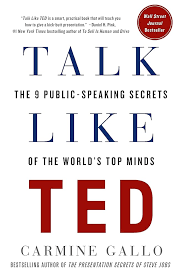
📚 Book 2: “Talk Like TED” by Carmine Gallo
Why this book?
It breaks down what makes TED speakers memorable and engaging.
What you’ll learn:
Storytelling, engaging public speaking, and simplifying complex ideas.
Strategy focus:
Use stories, emotion, and visuals to engage audiences.
Best for:
Age 16 and above. Especially for students, teachers, trainers, and speakers.
How to use it:
Record yourself giving a short speech. Apply one TED tactic each time.
- Tell stories, not just facts.
- Be passionate about your topic.
- Keep it simple and visual.
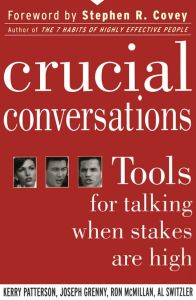
📚 Book 3: “Crucial Conversations” by Kerry Patterson, Joseph Grenny, et al.
Why this book?
Learn how to handle high-stakes conversations without stress.
What you’ll learn:
Managing conflict, giving feedback, and handling tough discussions.
Strategy focus:
Stay calm, be clear, and focus on facts over emotions.
Best for:
Age 18 and above. Great for managers, team leaders, and even couples!
How to use it:
Next time you’re in a tough conversation, pause and apply the “STATE” method (you’ll learn it in the book!).
3 Key Takeaways:
- Share facts first, not emotions.
- Create a safe space for dialogue.
- Work toward a shared goal.
📚 Book 4: “The Quick and Easy Way to Effective Speaking” by Dale Carnegie
Why this book?
It’s a simple, practical guide for overcoming fear of public speaking.
What you’ll learn:
How to speak confidently in front of any audience.
Strategy focus:
Practice-driven speaking + audience connection.
Best for:
Age 14 and above. Perfect for students preparing for speeches or presentations.
How to use it:
Start with small group talks and apply Carnegie’s step-by-step methods.
3 Key Takeaways:
- Speak about topics you know and care about.
- Practice out loud – not just in your head.
- Picture yourself succeeding.
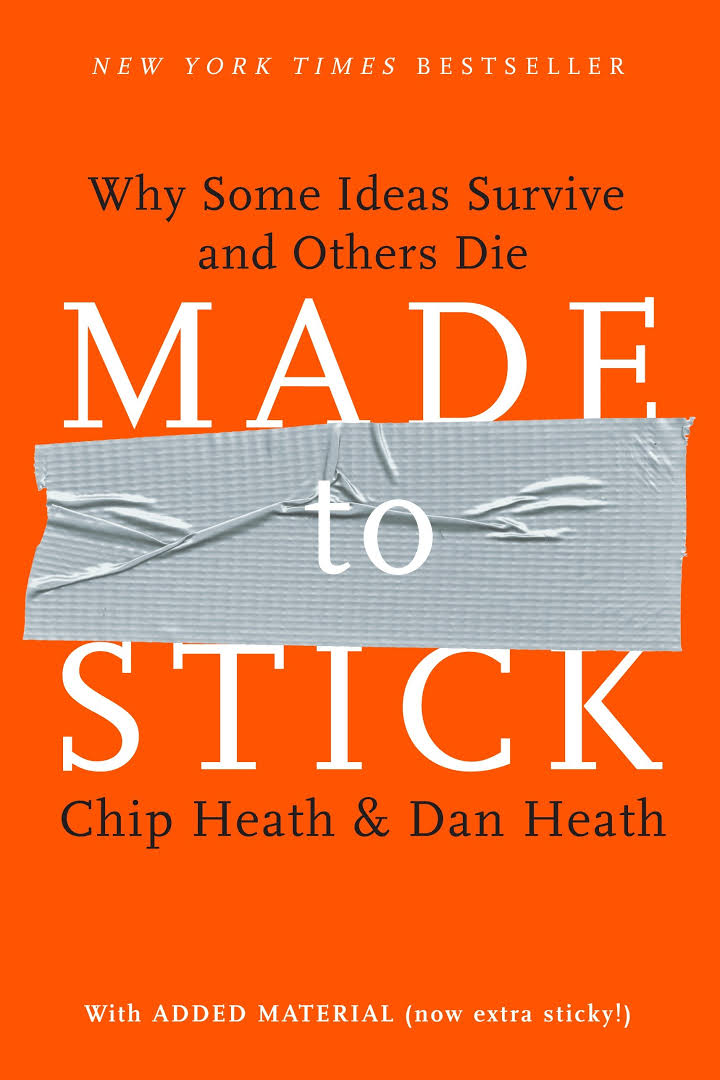
📚 Book 5: “Made to Stick” by Chip Heath and Dan Heath
Why this book?
Teaches you how to make your messages stick in people’s minds.
What you’ll learn:
How to make your communication clear, memorable, and impactful.
Strategy focus:
The SUCCESs framework (Simple, Unexpected, Concrete, Credible, Emotional, Stories).
Best for:
Age 17 and above. Marketers, teachers, speakers, and anyone who communicates ideas.
How to use it:
Before sending an email or making a presentation, check: Is this SUCCESsful?
3 Key Takeaways:
- Simplicity wins.
- Use unexpected elements to grab attention.
- Tell concrete stories.
📚 Book 6: “Everyone Communicates, Few Connect” by John C. Maxwell
Why this book?
Communication isn’t just about talking—it’s about connecting.
What you’ll learn:
Building connection with audiences, teams, and even one-on-one.
Strategy focus:
Focus on others, not yourself.
Best for:
Age 18 and above. Great for leaders, trainers, teachers, and mentors.
How to use it:
Before any conversation, ask: “Am I trying to impress… or connect?”
3 Key Takeaways:
- People don’t care how much you know until they know how much you care.
- Communicators take responsibility for connection.
- Be relatable, not perfect.
📚 Book 7: “On Speaking Well” by Peggy Noonan
Why this book?
Written by a former presidential speechwriter—this book is gold for anyone who wants to sound smart but natural.
What you’ll learn:
Writing and delivering speeches that sound authentic and engaging.
Strategy focus:
Clarity + Simplicity + Rhythm of speech
Best for:
Age 18 and above. Students, speechwriters, politicians, business professionals.
How to use it:
Draft your next speech or presentation using her simple language and style tips.
3 Key Takeaways:
- Write the way people speak.
- Aim for short sentences with punch.
- Pause for effect.
📚 Book 8: “Thank You for Arguing” by Jay Heinrichs
Why this book?
It’s a fun guide to the art of persuasion and argument.
What you’ll learn:
Rhetoric, debate, and influencing people without fights.
Strategy focus:
Using logic, emotion, and credibility (Ethos, Pathos, Logos).
Best for:
Age 16 and above. Perfect for debaters, salespeople, and anyone who negotiates.
How to use it:
Next time you’re debating something (at work or even at dinner), use a rhetorical technique from the book.
3 Key Takeaways:
- Control the mood of the conversation.
- Focus on the future tense for problem-solving.
- Make your opponent feel like your idea was theirs.
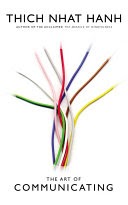
📚 Book 9: “The Art of Communicating” by Thich Nhat Hanh
Why this book?
Because communication isn’t just external—it starts with mindful listening and speaking.
What you’ll learn:
Mindful communication, deep listening, and compassionate dialogue.
Strategy focus:
Be present. Listen deeply before responding.
Best for:
Age 18 and above. Especially good for counselors, teachers, and anyone looking for peace in communication.
How to use it:
Before responding to anyone, pause… breathe… listen mindfully.
3 Key Takeaways:
- Listen to understand, not to reply.
- Words can heal or hurt—choose mindfully.
- Presence is your biggest communication tool.
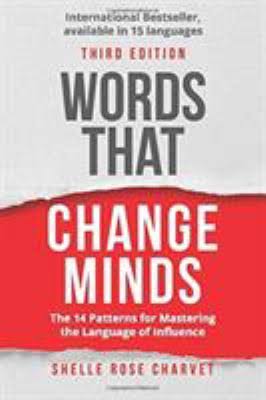
📚 Book 10: “Words That Change Minds” by Shelle Rose Charvet
Why this book?
It introduces the LAB Profile – a psychological tool to adapt your language to motivate and influence people.
What you’ll learn:
How different people process language, and how to tailor your communication style.
Strategy focus:
Customizing your language patterns for different personality types.
Best for:
Age 20 and above. Coaches, leaders, HR professionals, and salespeople.
How to use it:
Identify people’s motivation patterns during conversations and adjust your language accordingly.
3 Key Takeaways:
- People have different motivational triggers.
- Ask better questions to decode people’s communication styles.
- Adapt your language to suit your listener.
So there you have it! 🎉
Call to Action:
10 powerful books that can literally change the way you communicate… forever.
👉 Tell me in the comments: Which book are you picking first?
👉 Or… drop your favorite communication book that I missed!
🌟 Exciting News! 🌟
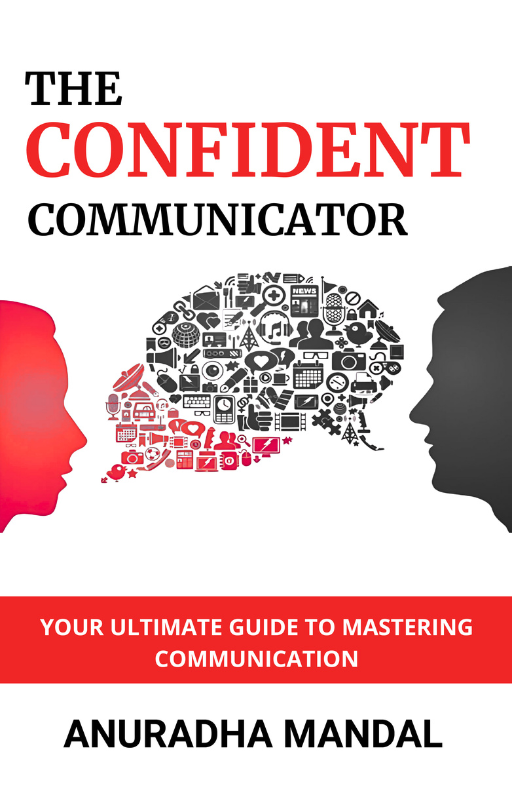
My new book “The Confident Communicator” is finally here! 🎉
If you’ve ever felt nervous speaking up, struggled to express your ideas, or wanted to make a stronger impact… this book is for YOU!
It’s packed with simple, actionable tips to help you:
✅ Speak with confidence
✅ Overcome fear of speaking
✅ Make an impact in any room
👉 Grab your copy now on Amazon: https://www.amazon.in/dp/9334318821
Top 10 Books to Improve Communication Skills : International Author Read More »