We’ve all grown up hearing phrases like “Knowledge is power” and “The more you know, the further you go.”
But in today’s fast-changing world, there’s a noticeable shift.
Knowledge alone is no longer enough.
What truly sets successful people apart is their skills—their ability to apply knowledge in practical, real-world situations.
If you’re a student, a young professional, an entrepreneur, or even a lifelong learner, this article will help you understand:
✅ Why skill is more valuable than knowledge in today’s time
✅ The difference between knowledge and skill
✅ Real-world examples of how skill creates impact
✅ How you can start focusing on skill development

Table of Contents
Part 1: Understanding the Difference Between Knowledge and Skill
Before we dive deeper, let’s clarify the difference:
- Knowledge: It’s information, facts, theories, and concepts you learn from books, lectures, or research.
Example: Knowing the theory of how a bike works.
- Skill: It’s the ability to apply that knowledge in real-world scenarios through practice and experience.
Example: Actually riding the bike smoothly on the road.
In simple words:
👉 Knowledge = Knowing something
👉 Skill = Doing something effectively
Both are important. But today, skill carries more weight.
Part 2: Why Skill is More Important Than Knowledge Today
- The Internet Has Made Knowledge Easily Accessible
20 years ago, accessing information was a big task.
People depended on libraries, teachers, or formal education.
But today?
With just one Google search or a 5-minute YouTube video, you can learn facts about almost anything.
Knowledge is no longer scarce.
It’s abundant.
What’s scarce is execution.
Your ability to take action, solve real problems, and deliver results—that’s what companies and clients care about today.
- Employers Hire for Skills, Not Just Degrees
Having a degree or a certificate shows that you’ve learned theory.
But employers now ask:
- “Can this person actually do the job?”
- “Can they communicate, collaborate, and deliver results under pressure?”
Real job skills like:
- Communication
- Problem-solving
- Coding
- Marketing
- Sales
- Time management
These are things employers value more than just textbook knowledge.
A LinkedIn report on hiring trends says:
“Employers today are shifting from degree-based hiring to skill-based hiring.”
- The Job Market is Changing Rapidly
With automation, AI, and digital transformation, industries are evolving faster than ever.
Jobs that existed five years ago may not exist tomorrow.
What does that mean for you?
The skill to learn, unlearn, and relearn is more important than simply memorizing facts.
Being adaptable and having practical skills gives you the edge to survive and grow in a changing market.
Part 3: Real-World Examples – Skill Over Knowledge
Example 1: Public Speaking vs Theoretical Knowledge
You may read 10 books on public speaking and learn all the techniques like:
- Eye contact
- Voice modulation
- Storytelling
But unless you get on stage and speak in front of an audience, you’ll never develop the
Knowledge tells you “how.”
Skill shows that you actually “can.”
Example 2: Entrepreneurship
Thousands of people read business books and attend MBA classes.
But only those who develop real-world skills like:
- Negotiation
- Sales
- Leadership
- Problem-solving
…are able to build and run successful businesses.
Example 3: Digital Marketing
You can learn digital marketing concepts online for free.
But running actual ad campaigns, analyzing data, making strategy adjustments—those are skills that only come with practice.
Part 4: Top Skills in Demand Today
Here’s a look at some of the most in-demand skills in 2025 and beyond:
Soft Skills (Interpersonal Skills)
- Communication
- Emotional Intelligence
- Leadership
- Adaptability
- Problem-solving
- Creativity
- Teamwork
- Critical Thinking
Hard Skills (Technical Skills)
- Data Analysis
- Digital Marketing
- Coding (Python, JavaScript, etc.)
- Graphic Designing
- UI/UX Design
- Video Editing
- SEO and SEM
- Project Management
Transferable Skills (Useful in Any Job)
- Time management
- Decision making
- Negotiation
- Conflict resolution
- Presentation skills
Important Note:
You don’t have to learn everything. Start with 1-2 skills that align with your career goals.
Part 5: Why Focusing Only on Knowledge Can Hold You Back
Let’s be honest.
Many people today are “knowledge collectors” but action avoiders.
They attend webinars, read books, watch tutorials—but don’t take action.
Here’s what happens when you have knowledge but no skill:
❌ You hesitate when it’s time to perform
❌ You lack confidence in real-life situations
❌ You miss opportunities because you’re stuck in theory mode
Knowledge without application = zero real-world impact.
Part 6: How to Shift Your Focus from Knowledge to Skill Development
Here’s a practical action plan:
- Learn by Doing
If you want to learn communication, start speaking in meetings.
If you want to learn coding, start building small projects.
If you want to learn sales, start pitching products—even if it’s just to friends.
Action beats endless learning.
- Take Online Skill-Based Courses
Choose courses that offer:
- Practical projects
- Simulations
- Assignments
- Real-world case studies
Some good platforms: Coursera, Udemy, LinkedIn Learning, Skillshare, take my course.
- Practice Deliberately
Deliberate practice means:
- Practicing regularly
- Getting feedback
- Improving after every attempt
Example: If you’re learning public speaking, record your speeches, watch them, and refine your delivery.
- Get Out of Your Comfort Zone
Growth happens when you do things you’re scared of.
- Speak at events.
- Take freelance projects.
- Apply for internships.
- Every new experience builds new skills.
- Build a Skill Portfolio
Start documenting your skills.
For example:
- Create a blog to showcase your writing
- Build a GitHub profile for coding projects
- Upload sample designs on online platform, if you’re a designer
- Create demo videos if you’re learning video editing
Show the world what you can do—not just what you know.
- Embrace Failure as Feedback
When you practice, you’ll make mistakes.
That’s normal.
Every mistake teaches you something that books never can.
Failure = learning in disguise.
Part 7: The Future Belongs to Skilled Learners
We’re living in a skills-first economy.
The world is moving away from degree obsession and towards skills demonstration.
Companies like Google, Apple, and Tesla are hiring based on skill tests, portfolio work, and performance in live projects—not just educational qualifications.
This is a golden opportunity for anyone willing to learn and develop real-world abilities.
Final Thoughts
Knowledge is important—but it’s not enough anymore.
What matters today is what you can DO with that knowledge.
Here’s the new mantra for success:
“Skills pay the bills.”
Start by picking one skill today:
✅ Communication
✅ Public speaking
✅ Digital marketing
✅ Coding
✅ Design
✅ Sales
✅ Any other area that excites you
Learn it. Practice it. Apply it.
Because in the end, skills create opportunities, build careers, and shape futures.
Call to Action:
Which skill are you going to focus on first?
Tell me in the comments below!
🌟 Exciting News! 🌟
My new book “The Confident Communicator” is finally here! 🎉
If you’ve ever felt nervous speaking up, struggled to express your ideas, or wanted to make a stronger impact… this book is for YOU!
It’s packed with simple, actionable tips to help you:
✅ Speak with confidence
✅ Overcome fear of speaking
✅ Make an impact in any room
👉 Grab your copy now on Amazon: https://www.amazon.in/dp/9334318821
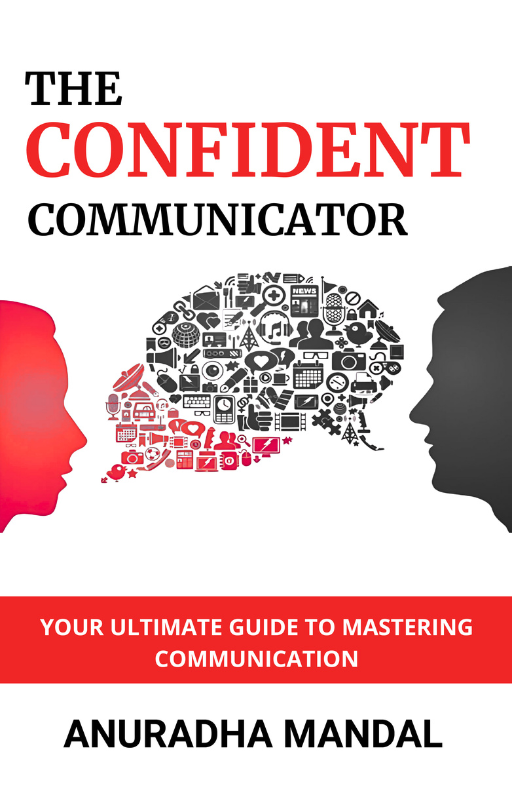
Let’s unlock your communication potential and help you own every conversation!